
John Harrison — Stewardship
Evolution | Parlee
“I didn’t come in thinking I was going to reinvent anything. What struck me immediately was that the problems weren’t about the product. The bikes were exceptional. The thinking was exceptional. The issues were operational—and those were things I understood and genuinely enjoyed working on. It felt like something worth protecting. Sitting here now, it’s almost impossible to imagine having done anything else.”
John Harrison is the owner and CEO of Parlee Cycles. With a background in enterprise technology and decades of experience stepping into complex businesses at moments of transition, Harrison came to Parlee not as an industry insider, but as a longtime Parlee rider who recognized both what the company already was—and what it could become. He acquired the brand during a period of financial and organizational strain, drawn equally by opportunity and obligation. Today, his focus is on strengthening the foundation beneath a culture of craft and performance that long predates his arrival, and positioning the company for a durable future.
What drew you to Parlee, and what brought you into this role?
Parlee was in Chapter 11 at the time. What became clear very quickly was that the problem wasn’t the product. The engineering, the fabrication, the brand—all of that was strong. The challenges were operational: inventory, purchasing, cash flow, channel development. Those were familiar problems to me, and ones I felt confident stepping into.
When I was deciding whether to get involved, I kept coming back to three questions. First, was my perception of the brand fair and complete? Second, were the right ingredients still in place to build something that could last another twenty-five years? And third, was I actually the right person to take that on?
The answer to the first question was overwhelmingly positive. Even in the first year after the acquisition, traveling to visit dealers and customers around the world was humbling. People told stories about how they ended up on their Parlee, how paint decisions were inspired by family history, how the bike became part of their life. The depth of attachment people have to these bikes is remarkable.
On the second question—whether the business could endure—what mattered most was still intact: the product, the engineering, and the people.
You keep returning to the team. Why was that so decisive?
One of the first things you notice is how long people have been here. The core group has been with the company for decades. For a small bike manufacturer that’s been through ups and downs, that kind of continuity is rare—and incredibly important.
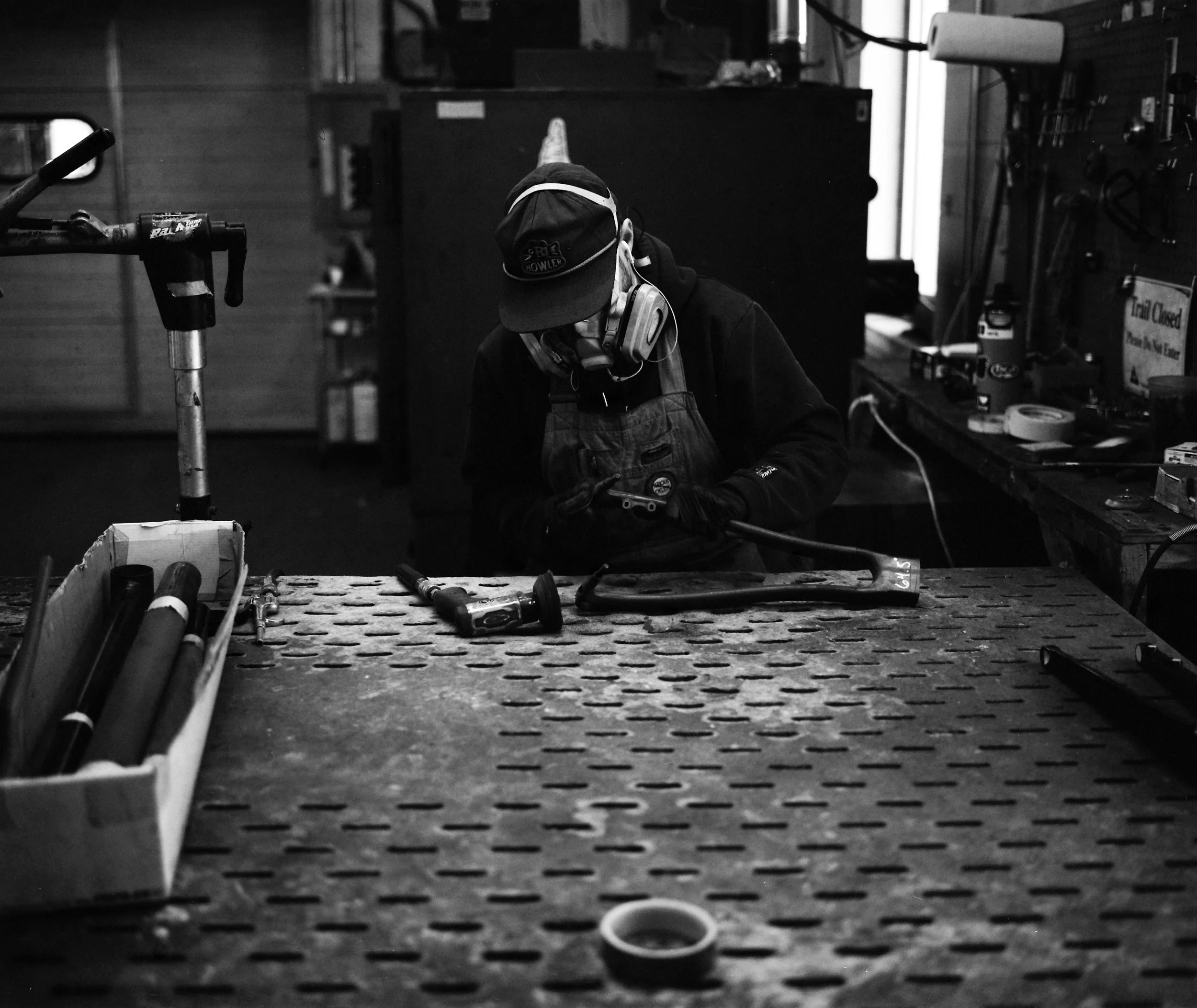
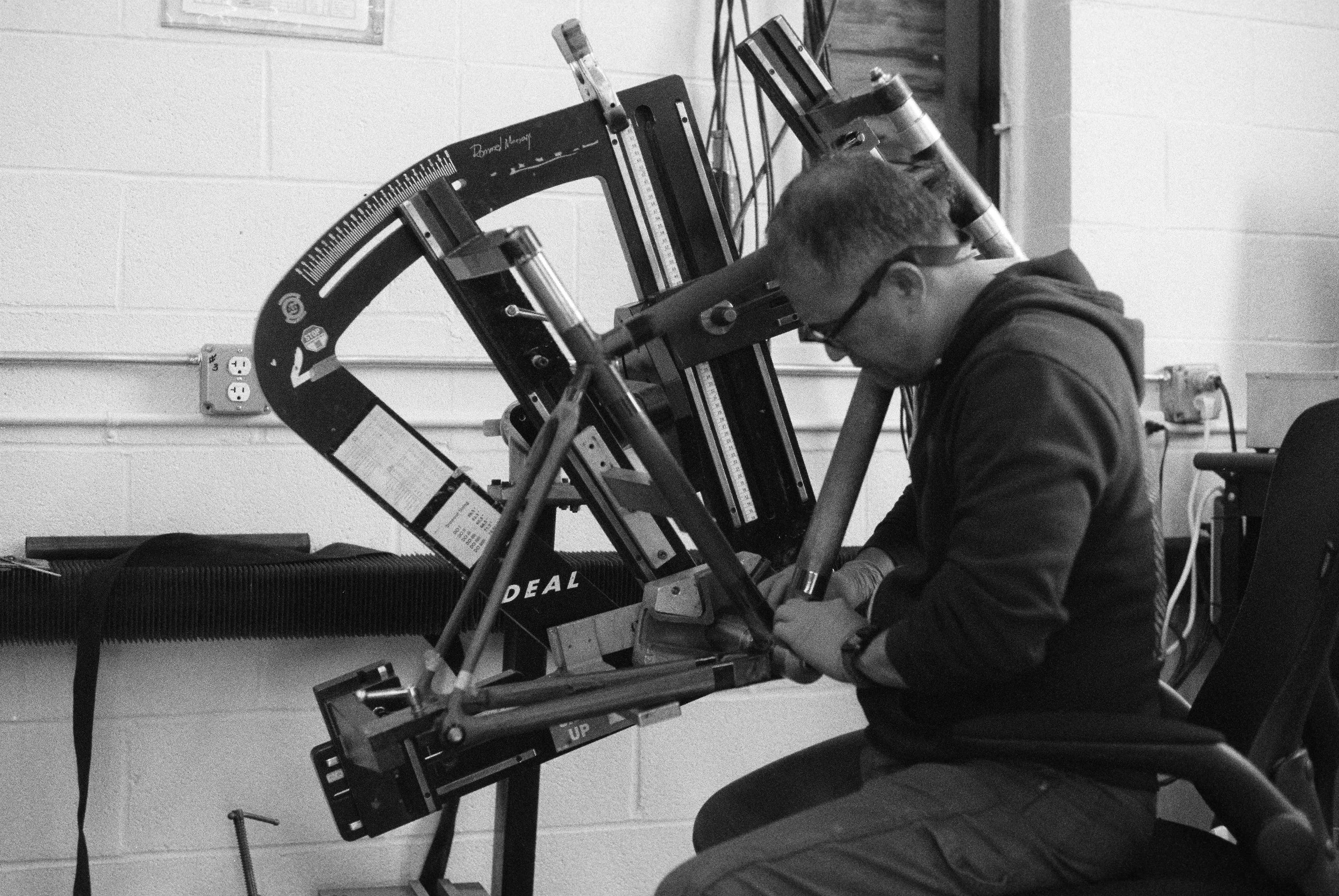
In craft-based work, experience lives in people’s hands. Rommel Mariano, our master builder, does the final assembly on frames that are built completely by hand here. After the tubes are fabricated and mitered, he hand-wraps all the joints using carbon fiber fabric—sometimes a hundred individual pieces just to seal the joints on a single frame. That’s a skill that takes years and years to develop.
Cody Haight, our master painter, has been here sixteen or seventeen years. Tom Rodi has been here about twenty. These people don’t just know how to do their jobs—they understand the technology, the engineering, and the history in a way that can’t be replicated.
At the same time, we’ve brought in newer perspectives. Lyndall Robinson, who leads manufacturing, joined about eight or nine years ago. She’s a trained carbon-fiber engineer and has introduced new thinking around layup development and process improvement. That combination—deep experience paired with fresh perspective—puts us in a very strong position going forward.
How do you think about Parlee’s future?
Parlee is a small player in the bike industry, and I expect it to remain that way. We’re not trying to be a mass-market brand. We’ll continue building bikes of exceptional quality, which means they’ll be priced accordingly, and we’ll continue serving the top end of the cycling enthusiast market.
That said, I do see us expanding the product range modestly and strengthening our dealer network globally. Today, we have regions where we’re very strong and others where there are clear gaps—even here in the U.S. Part of this next phase is making sure the brand is represented by the right partners, in the right places, with the right level of support.
The goal is a stable, sustainable business—selling a few thousand bikes a year. I don’t see us ever trying to build something that sells more than around 5,000 frames annually. That kind of scale would change what Parlee is, and that’s not the objective.
What should remain constant as the company evolves?
Bob started Parlee with a belief that carbon fiber could be used far better than it was at the time. Early carbon bikes were light, but they rode poorly. Drawing on his boatbuilding background, Bob understood how complex carbon layups could be used to control flex, vibration, and fatigue—to create a better ride experience.
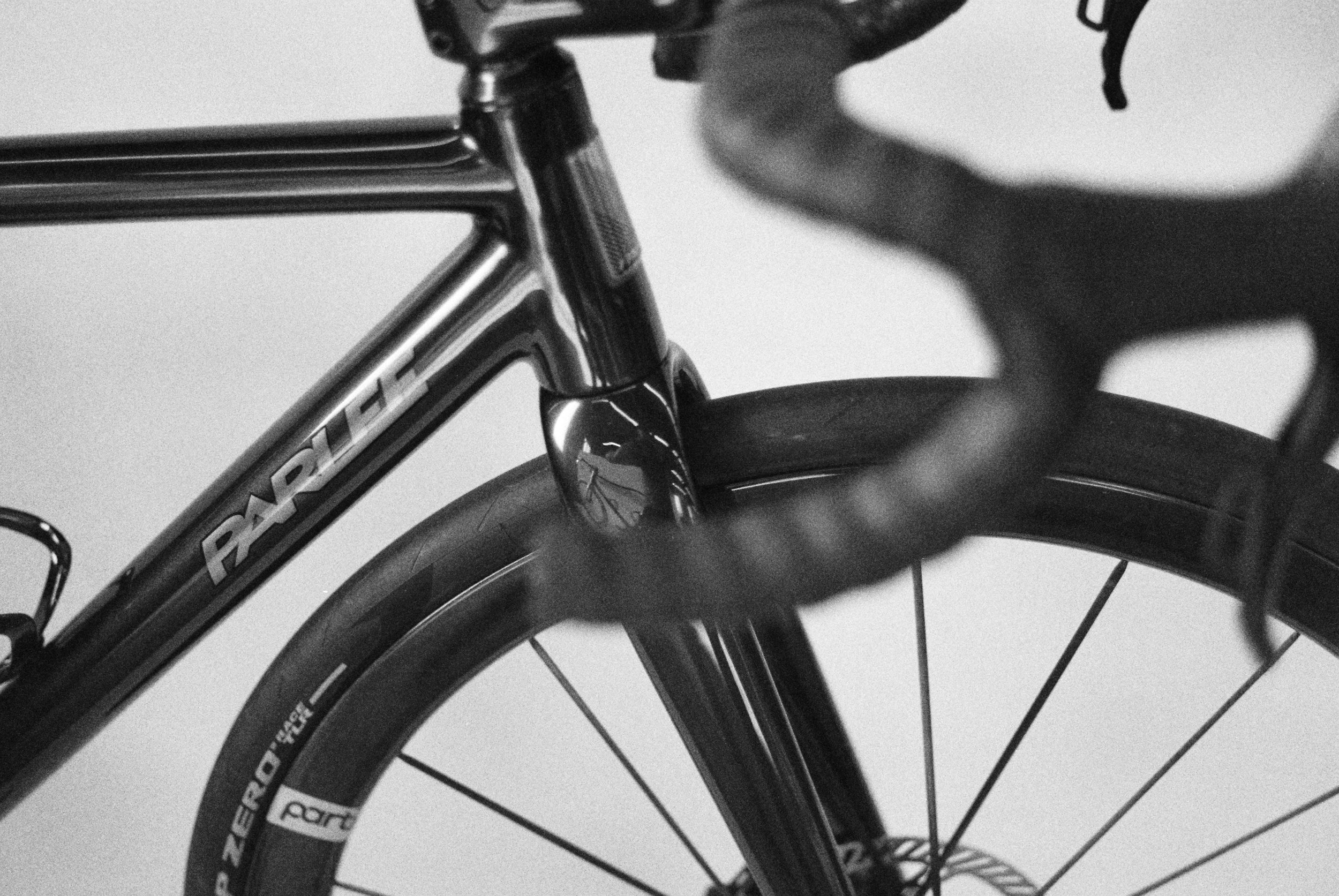
That thinking led directly to the Z-series frames. The Z-Zero GT we produce today still carries very clear cues from the first Z bike developed twenty-five years ago. It’s the purest expression of Parlee: an uncompromised approach to engineering with a single goal of improving performance through comfort.
Bob also valued timeless aesthetics and was skeptical of trends that would age quickly. That sensibility remains. The forms are familiar—almost traditional—but they’re wrapped around the most advanced engineering we can develop. We push the envelope on carbon layups and finishes, but we don’t chase exaggerated shapes for their own sake.
What ultimately defines the Parlee ride?
Without question, it’s the ride experience.
Performance is a baseline expectation. The bike has to be fast—and ours are. But much of the industry has chased speed at the expense of everything else: connection to the road, vibration damping, how the bike feels after hours in the saddle.
We believe you can be just as fast without sacrificing those qualities. Comfort doesn’t mean softness or sluggishness. It means being able to ride hard for longer and finish feeling intact rather than pulled apart.
Technically, that’s achieved through extremely complex carbon-fiber layups. Many manufacturers use roughly 125 pieces of carbon in a frame. Ours use over 600, and the Z-Zero uses more than 1,000. That complexity allows us to tune behavior very precisely—where the frame flexes, how it absorbs vibration, how forces move through it—while still keeping weight down. It’s far more difficult to design and manufacture, but the result is something distinctly different and far more personal.
How do you reflect on the transition into this current chapter?
Bob’s illness played a significant role in the challenges the company faced, particularly during COVID. Despite that, the quality of the bikes and the way customers were treated never really suffered.
I think of myself less as an owner and more as a caretaker of this next phase. There will be someone after me, and someone after that. Parlee will continue because the core—the product and the people—matters. My responsibility is to make sure the company is strong enough, clear enough, and well-positioned enough to carry that forward.
Parlee is a high-performance bicycle manufacturer headquartered in Beverly, Massachusetts.
Written by Chessin Gertler with John Harrison | Photography by Chessin Gertler