
Introduction
Evolution | Parlee Cycles
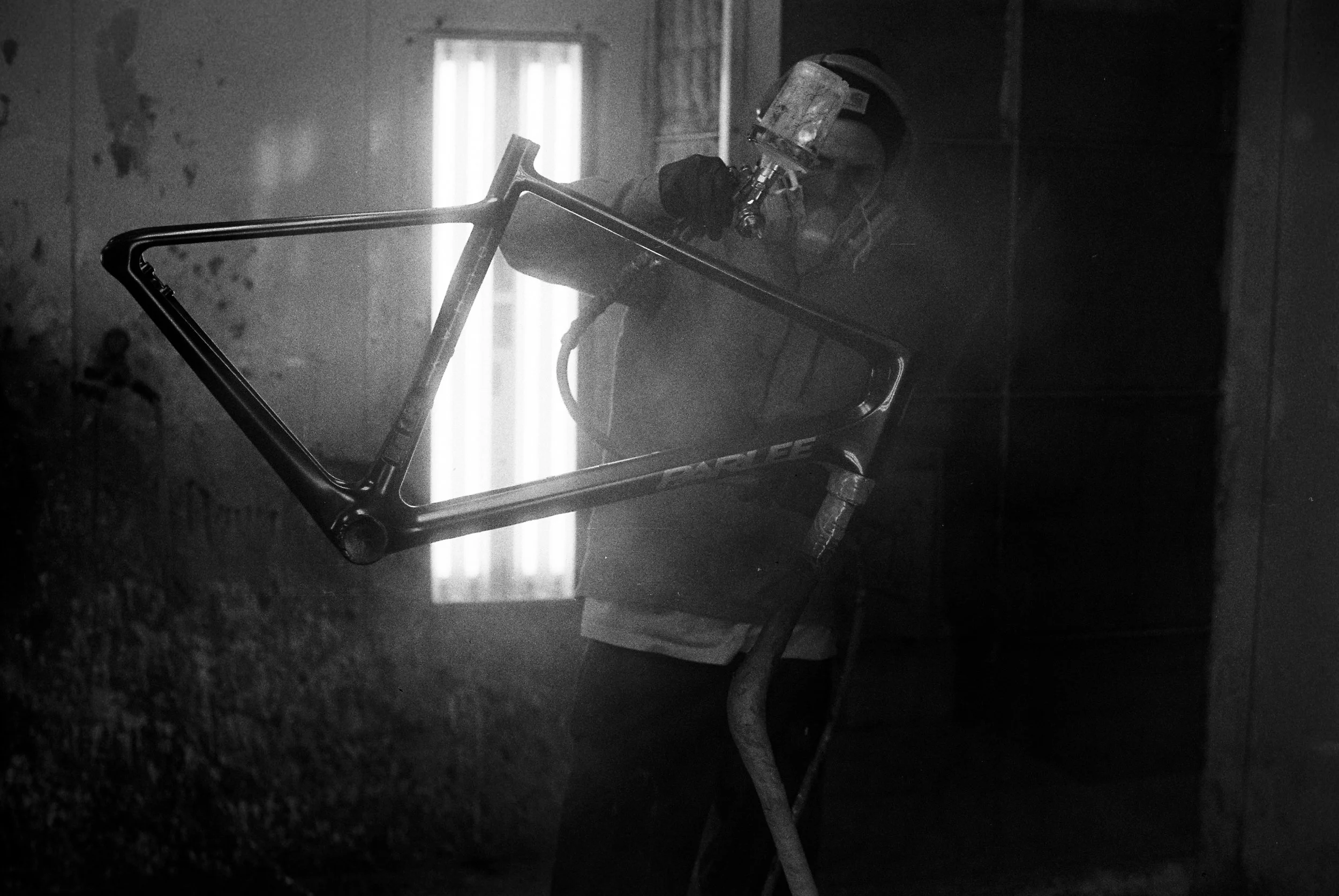
In Beverly, Massachusetts—an hour north of Boston, in a nondescript warehouse pressed up against the commuter rail tracks—Parlee is making some of the best carbon-fiber bicycles in the world. The company is in the midst of evolution, with its next generation of bikes driven by renewed operational momentum and a clearer sense of direction.
Over the last two years, under the stewardship of John Harrison—a longtime technology executive and operator who came to Parlee as both a builder of durable businesses and a Parlee rider, himself—the cult framebuilder has undergone a period of major investment, by its own account surpassing the prior decade. New capital in has fueled accelerated product development, refined internal processes, expanded dealer recruitment, and significant operational upgrades.
The passing of Parlee’s eponymous founder, Bob Parlee, marked a profound shift—but not a conclusion. Instead, it clarified a responsibility: to carry forward the principles Bob established while building the organizational strength required to continue pushing the boundaries of performance. Under Harrison, Parlee is pairing Bob’s foundational mission with a more deliberate engine of R&D, new technical partnerships, and a rebuilt supply chain—collectively advancing the standard set decades ago.
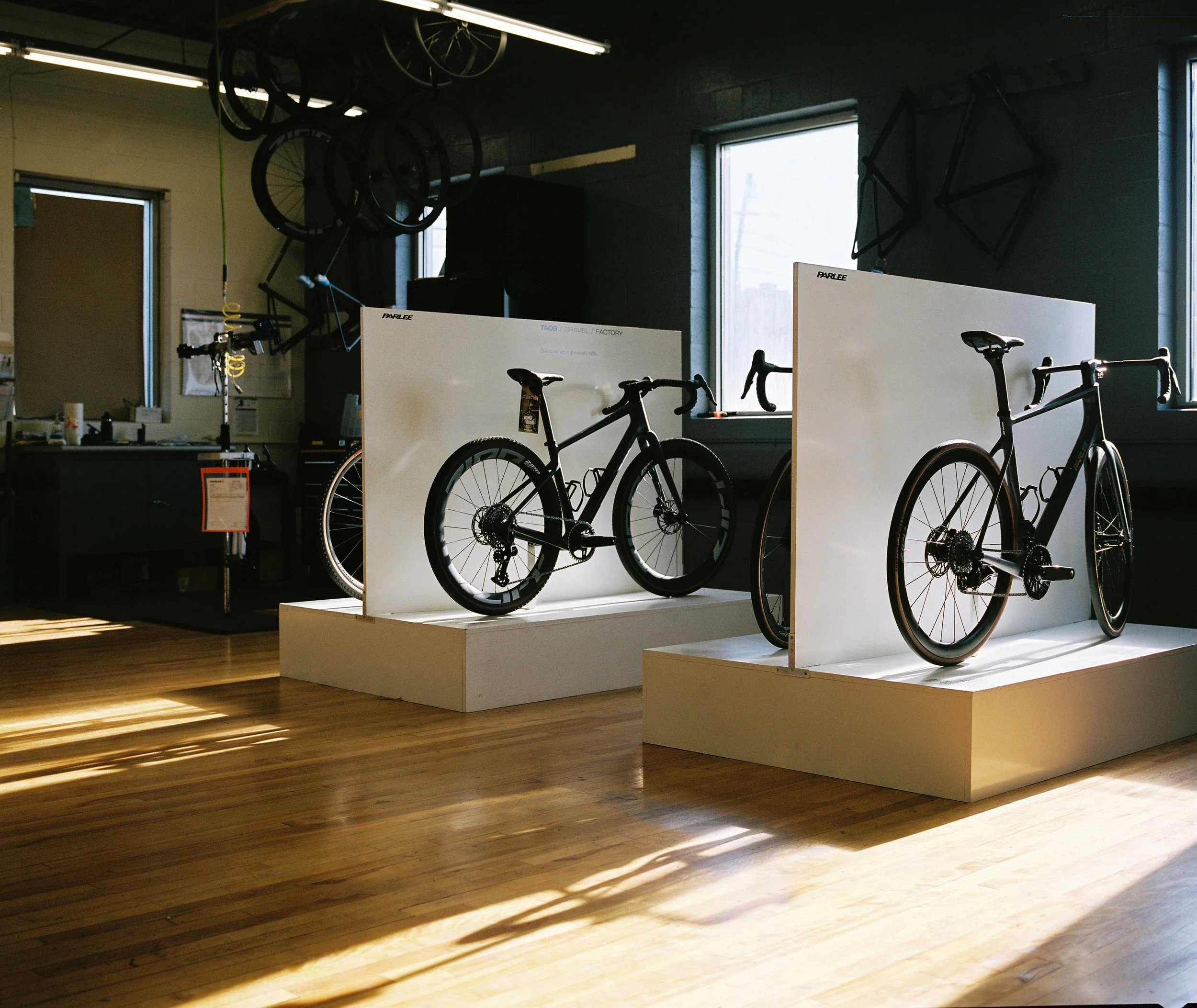
Historically, Parlee has been an outlier in New England, a region where steel and titanium remain the inherited language of bicycle manufacturing—material echoes of an industrial past that once defined the area. Think Seven, Firefly, Richard Sachs, and a constellation of smaller builders, many fleeting, some enduring. Parlee belongs to this geography, but not entirely to its tradition. I see its presence in the same vein as the famed pizzamakers of Tokyo: practitioners working far from a craft’s perceived center, yet approaching it with an intensity and precision that turns distance into distinction.
Almost since inception, Parlee has been an if-you-know-you-know brand. I’ve encountered Parlee riders on the West Coast, in the UK, and on the Han River bike path in Seoul—only fractionally more here in Massachusetts. The bikes tend to attract a particular rider: fit, independent-thinking, quietly intense, professionally successful, and emotionally invested in the act of riding.
Bob Parlee was a high-performance boatbuilder and serious bike racer. Drawing on his knowledge of boatbuilding, he approached carbon fiber not as a path to ever-lower weight or ever-higher stiffness, but as a material capable of shaping comfort in service of performance. That idea—speed, durability, and volume reverse-engineered from feel—has always been the philosophical core of the company. In poetic terms, Parlees are designed to disappear beneath you as you ride them, a quality the brand’s following has affirmed to me repeatedly.
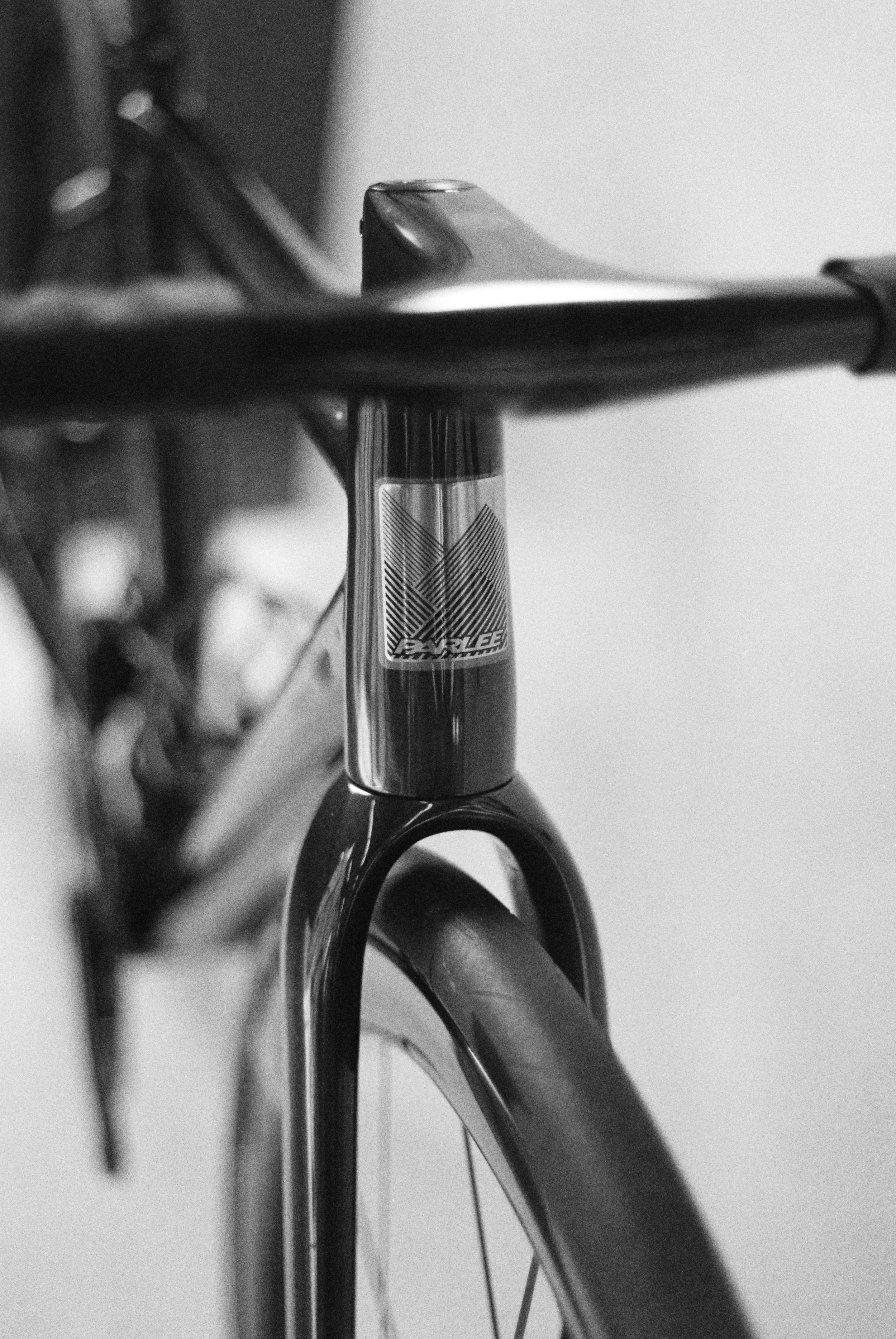
Carbon orientation at Parlee is tuned not exclusively for peak power, but for how a bike behaves after three or four hours in the saddle, on imperfect roads, and under sustained load. Performance is metered over duration rather than moments. In Parlee’s bespoke models, tube shapes, wall thicknesses, and layup schedules are adjusted deliberately for rider weight, use case, and intended ride style. Much of the artistry concentrates where the tubes meet—particularly around the bottom bracket and head tube—where forces converge and decisions compound.
Perhaps in a nuanced defiance of the region’s steel-and-titanium DNA, multiple members of the Parlee team described their take on carbon fiber manufacturing to me as closer to woodworking than metalworking: a process of layering and shaping rather than cutting to a fixed form. At these junctions, the layup becomes far more complex than along the tubes themselves, built up in multidirectional sequences that must reconcile forces arriving from multiple directions at once. Small changes compound quickly. In this context, the collective experience and longevity of the team read as essential to Parlee’s distinction—knowledge accumulated not in theory, but in hands, repetition, and instinctual judgment.
What has changed is not the foundation, but the intent with which it is now being extended. Parlee is pairing that depth of experience with a forward-facing posture defined by clear goals, deeper investment, and an explicit commitment to follow-through. The emphasis inside the company is on building deliberately toward what comes next: new products, new techniques, and new performance ceilings pursued with shared rigor. Today, Parlee feels less reflective than poised—its history intact, its future actively under construction.
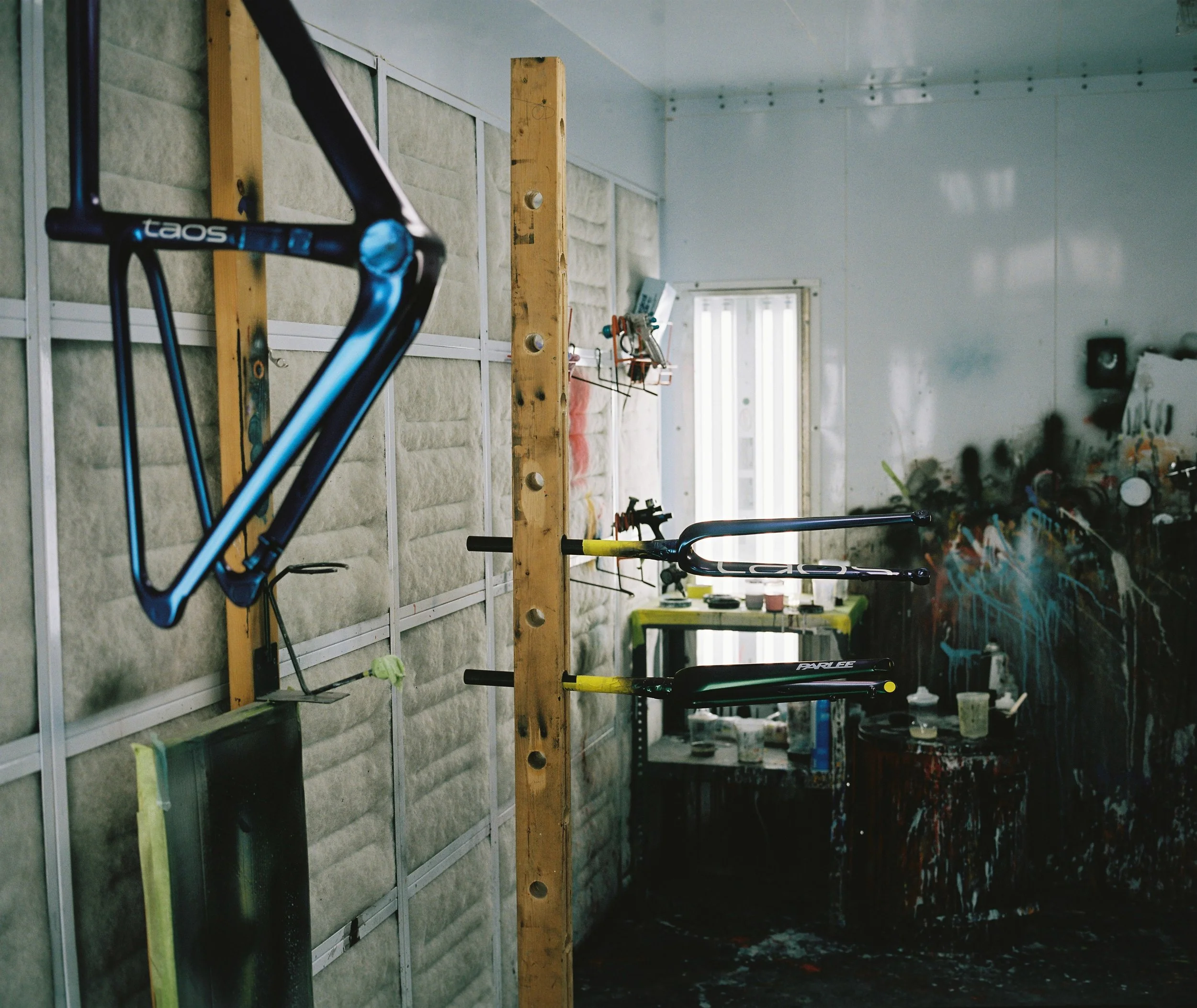
New England is not kind to bicycles or their riders. The roads are scarred by freeze-thaw cycles. The weather is indifferent. Riding persists through winter because of a cultural refusal to let conditions dictate behavior. Cyclocross and gravel were practiced here long before they were named. Comfort, compliance, and durability are less lifestyle compromises than survival strategies.
Parlees reflect this reality without ornament. Tire clearances widened early. Disc brakes appeared before they were safe marketing bets. Compliance was prioritized while much of the industry chased stiffness curves. One gravel bike was named after Chebacco Road, a native-named frost-heaved test loop near the factory—less a branding abstraction than geography, weather, and spirit translated directly into engineering input.
Bob Parlee described himself as “an old Yankee”—thrifty with materials, suspicious of excess, focused on what lasts. That sensibility remains. So does the other side of New England intensity: restraint paired with ambition, spareness with curiosity. At Parlee, carbon fiber is still treated as a very much open question.
The six conversations that follow span leadership, engineering, sales, branding, and Parlee’s renowned paint operation. Taken together, they offer a composite view of the company as it looks ahead—revealing the multiple, interdependent components that shape Parlee’s future. If Parlee has a true differentiator, it isn’t any single frame, material choice, or technical decision, but the people who make the work possible. Under Harrison, that team is not simply maintaining what exists, but actively shaping what comes next—carrying the company forward while extending its relevance, reach, and performance into the future.
Chessin Gertler
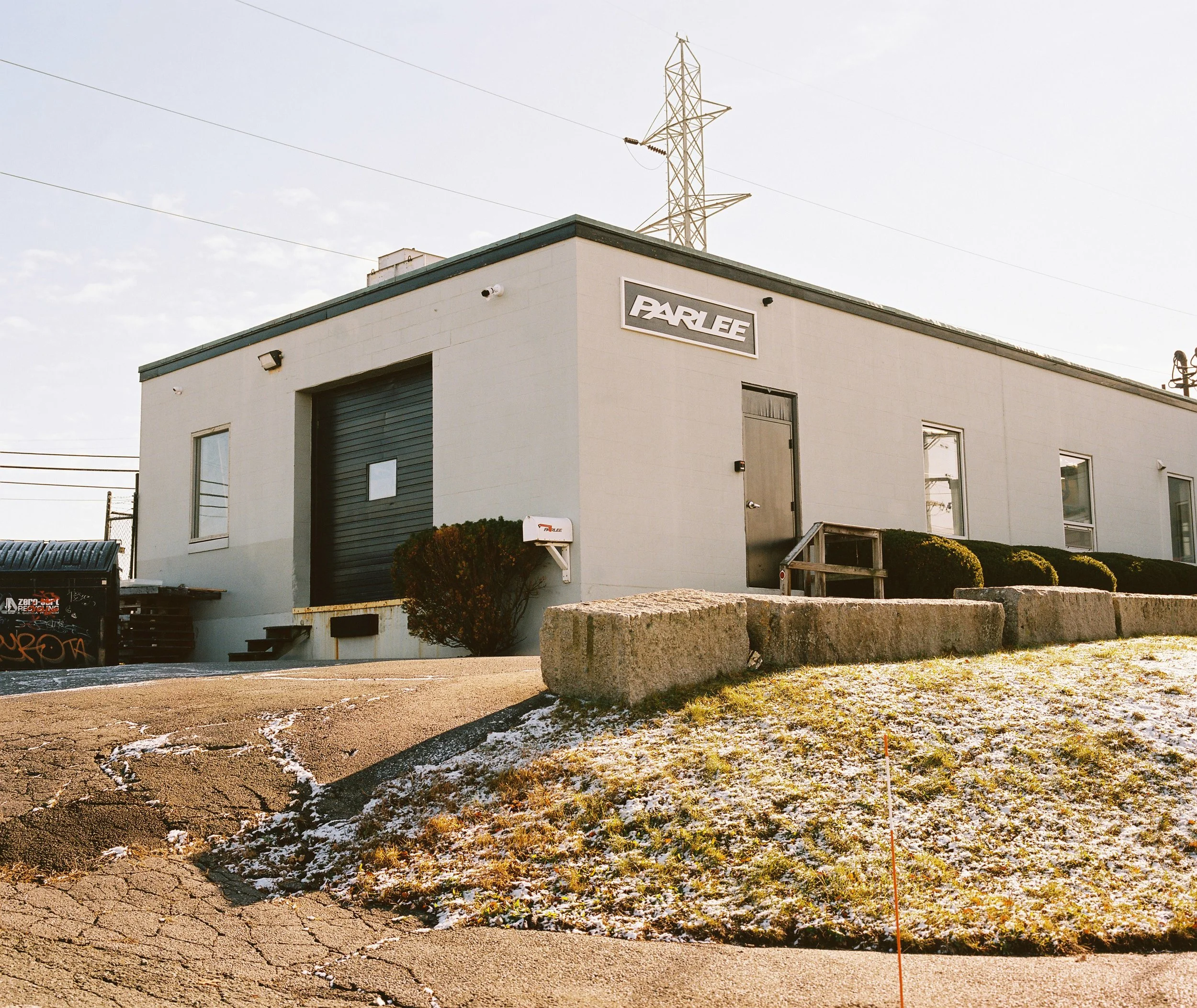
Parlee is a high-performance bicycle manufacturer headquartered in Beverly, Massachusetts.
Written by Chessin Gertler with the Parlee team | Photography by Chessin Gertler