
Akwaaba | Patrick Siaw-Asamoah
Akwaaba means welcome. It is the first word a visitor hears in Ghana, and it is not a formality. It is closer to an instruction that the whole of society seems to have agreed on a long time ago.
Your host offers you water and a seat before asking your name. The act of welcome precedes the word. The question of who you are and what you want comes only after you have already been made comfortable, after the household has already extended itself toward you. You are received before you are assessed.
This sequence inverts what I’ve grown accustomed to in the West, where you state your business before you’re offered a seat, where the question of what you want comes before any gesture of care. In the world I live in for most of the year, the first question at almost every threshold is some version of “what are you here for?”
The lobby has a desk and a sign-in sheet. The conversation opens with your purpose, your appointment, your reason for taking up the space. Hospitality, where it exists at all, is a reward for having first justified yourself.
In Ghana, someone takes care of you before questioning your intentions. You cross the threshold before shaking hands. It’s a posture of trust that has shaped the country itself. Ghana has remained relatively peaceful through independence and beyond, and I wonder how much of that stability lives in these small rituals, repeated daily, at every doorway.
It is a large claim to hang on a glass of water, and I am aware of that. A country’s peace has a hundred causes, most of them structural, few of them romantic. Still, I do not think it is sentimental to notice that a society which performs unconditional welcome ten thousand times a day, at every door, is teaching itself something each time it does.
• • •
The threshold is the place where a society decides, over and over, whether a stranger is a threat or a guest. Here the default answer, repeated until it has become reflex, is guest.
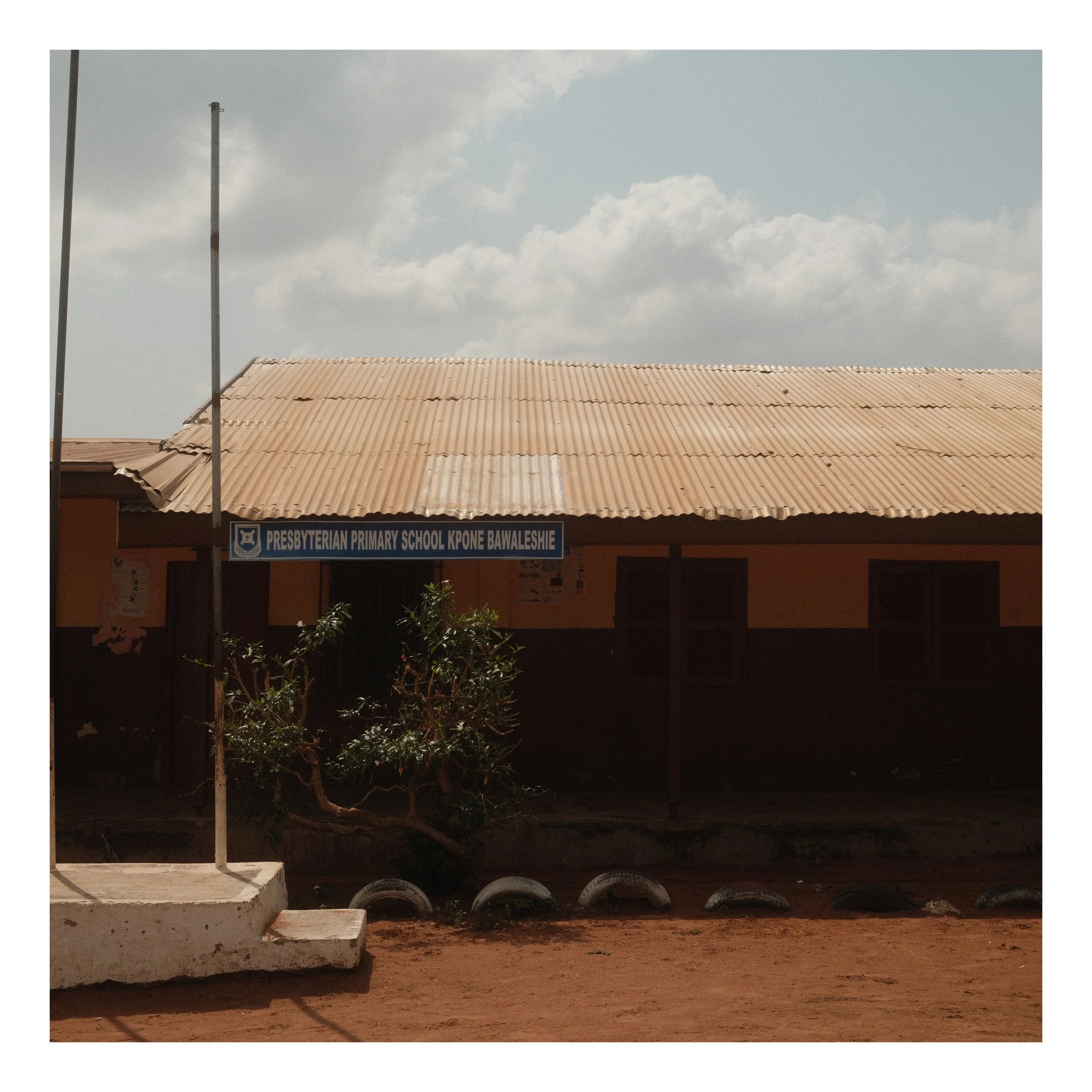
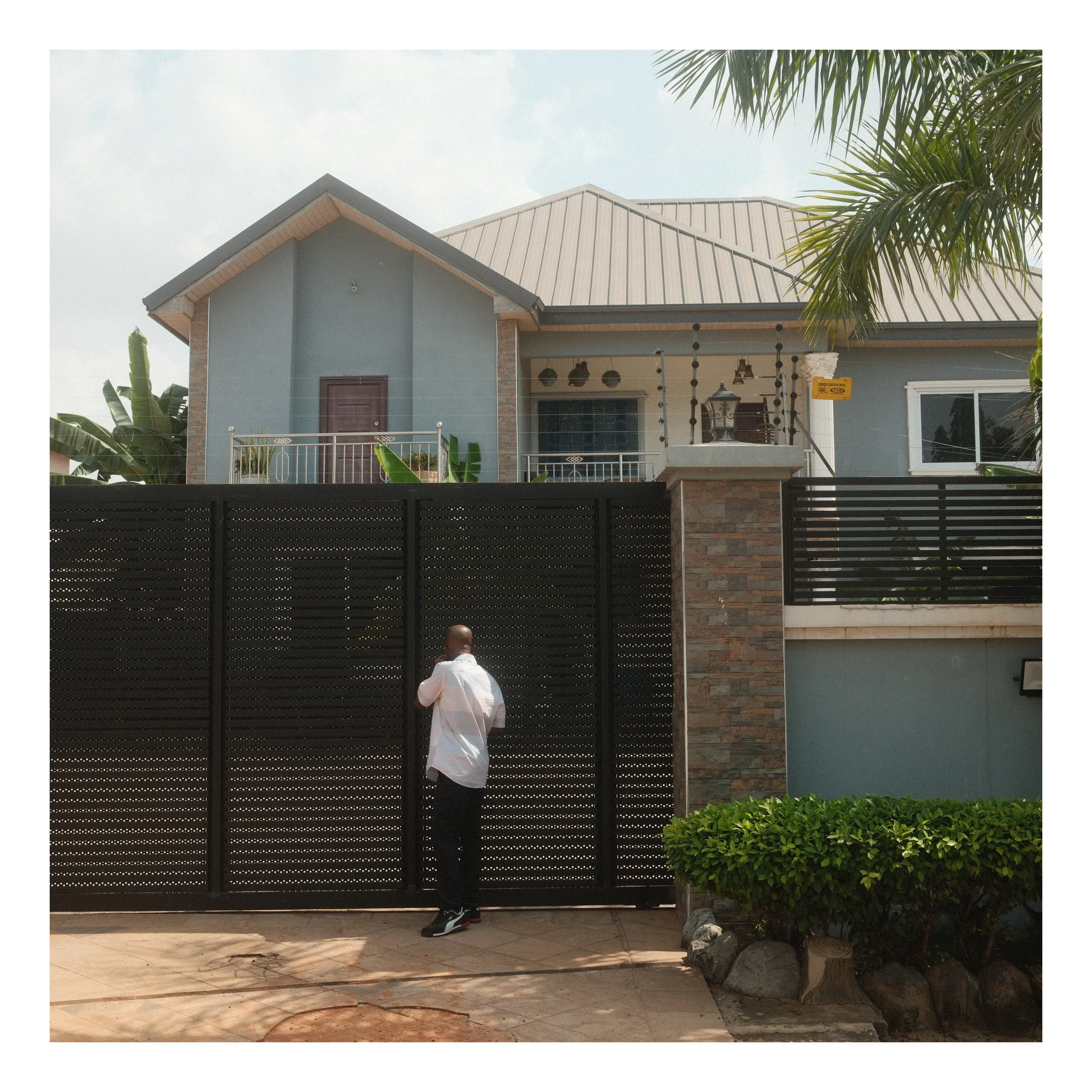
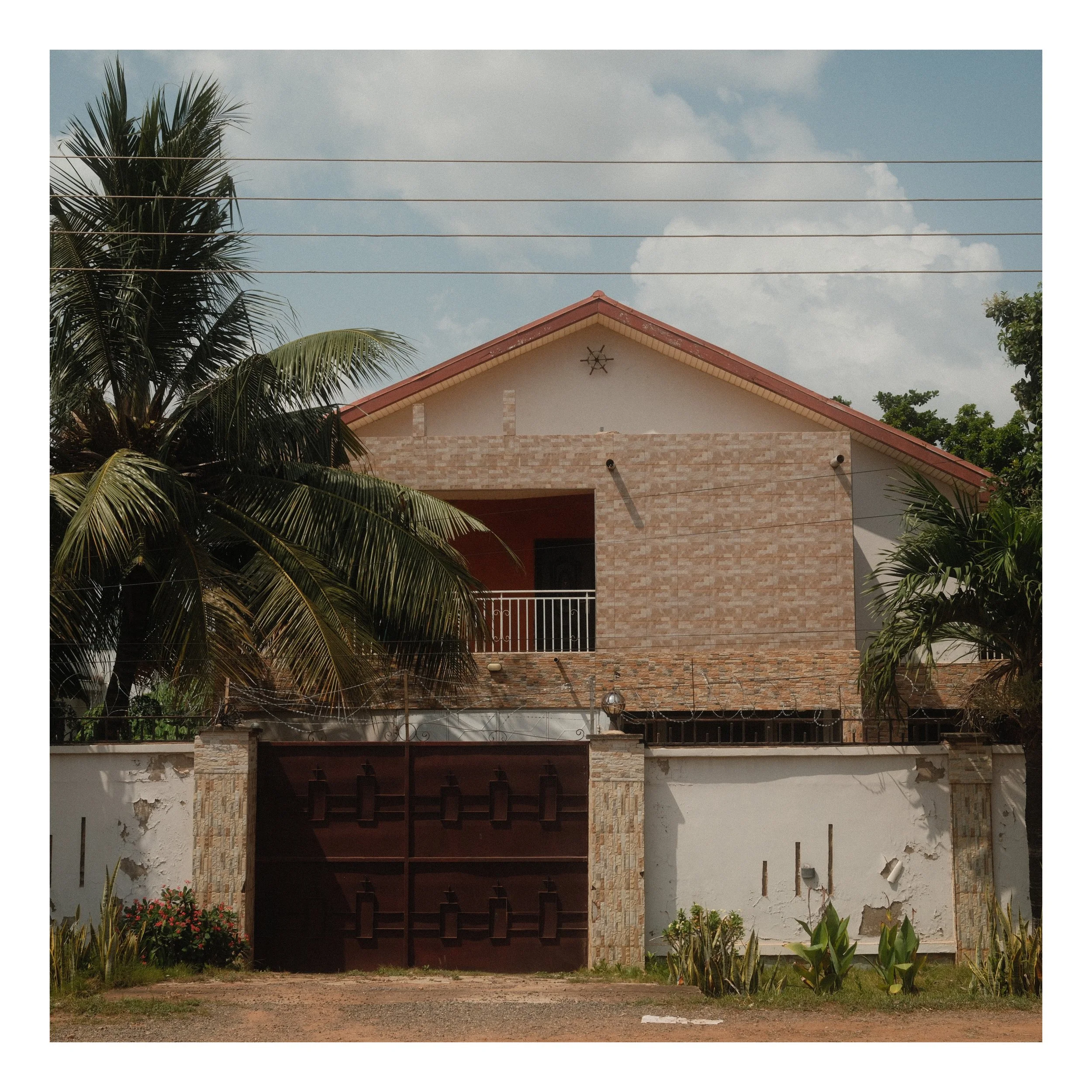
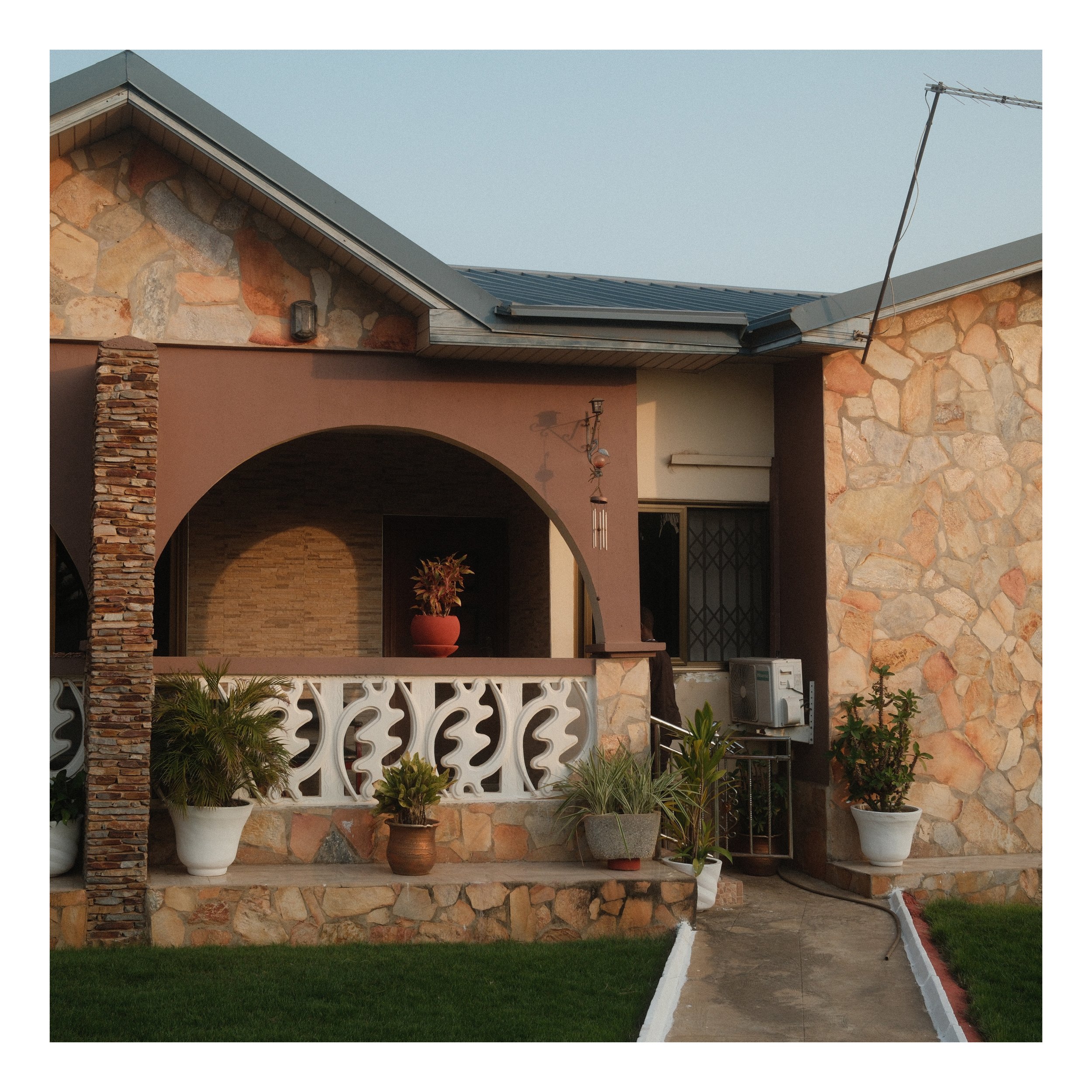
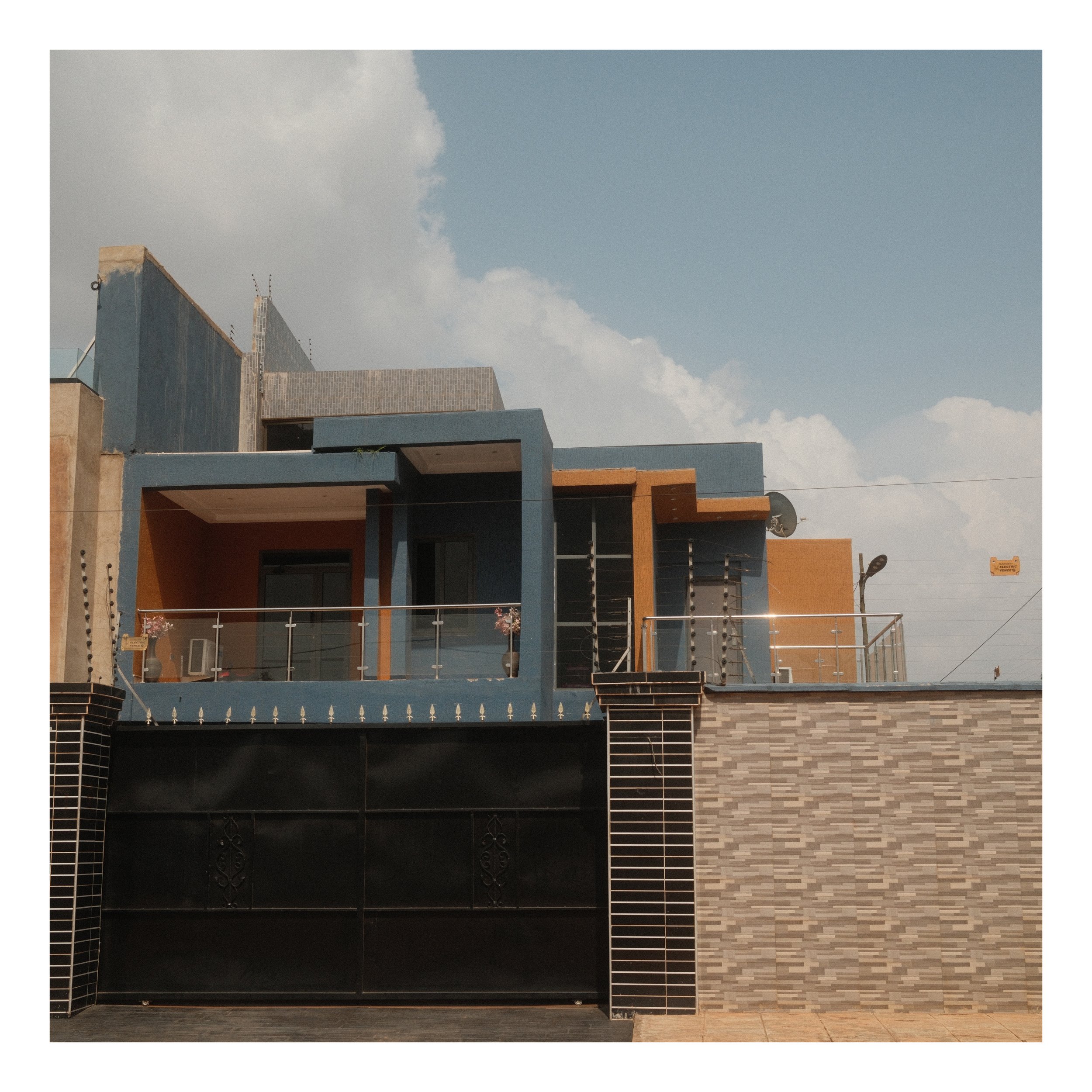
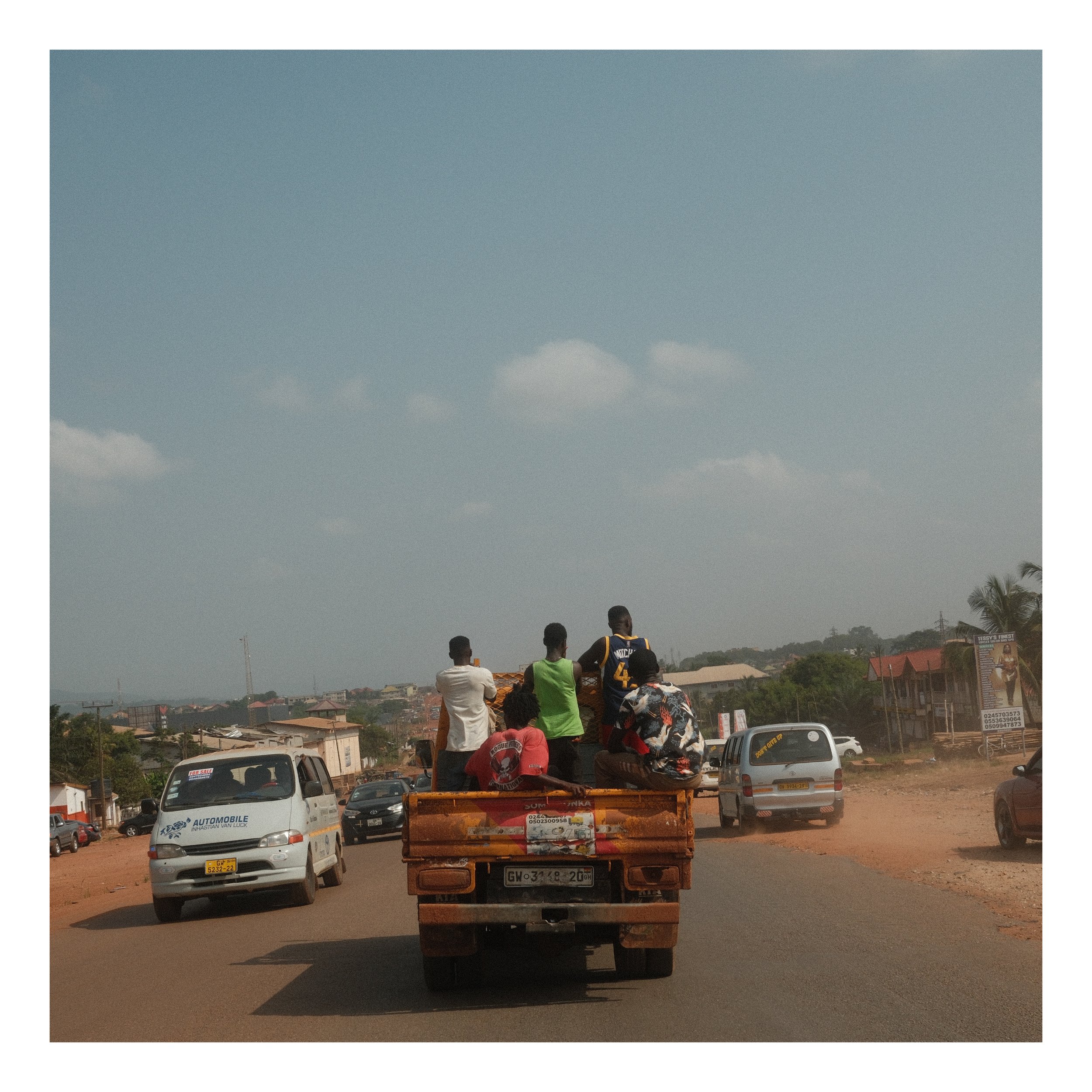
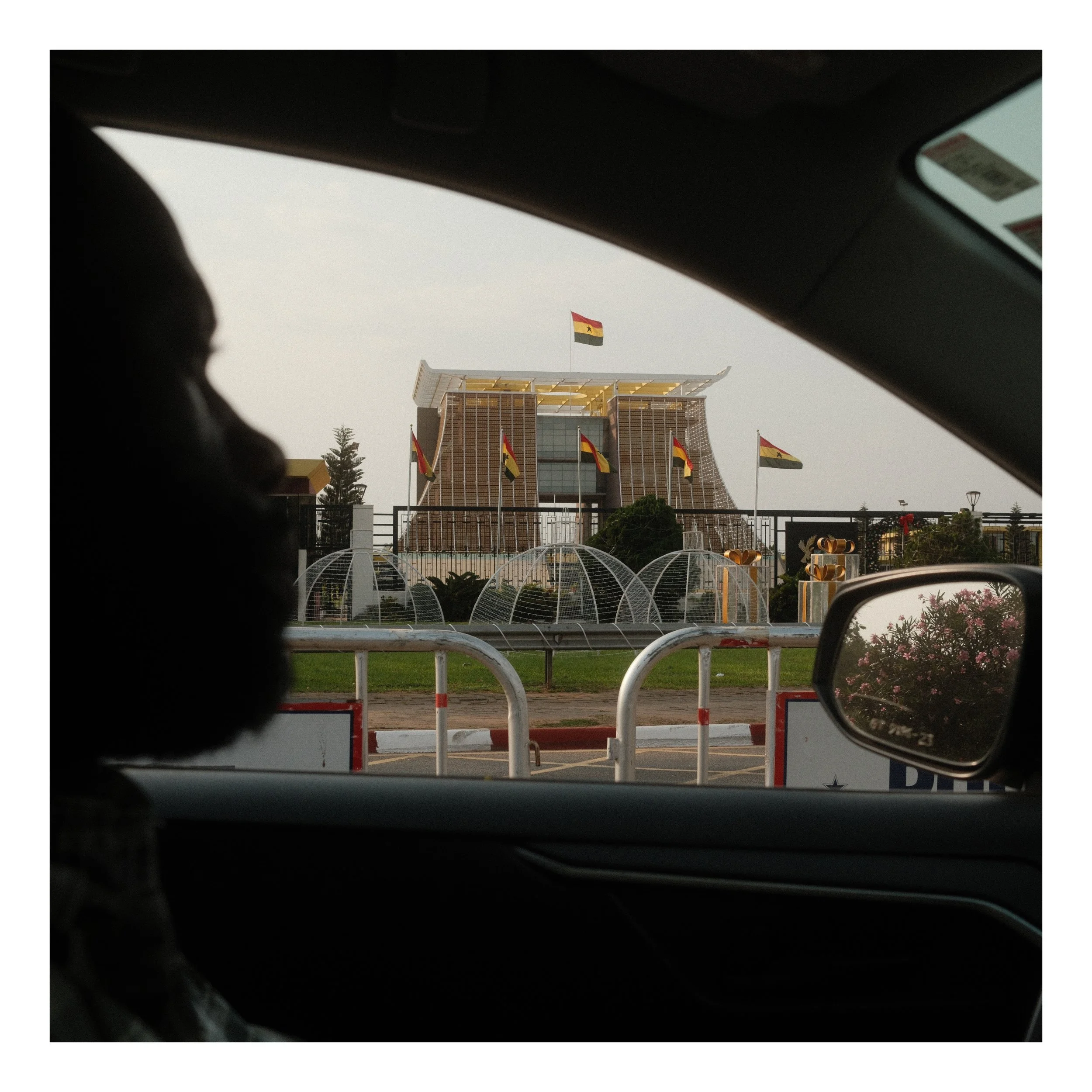
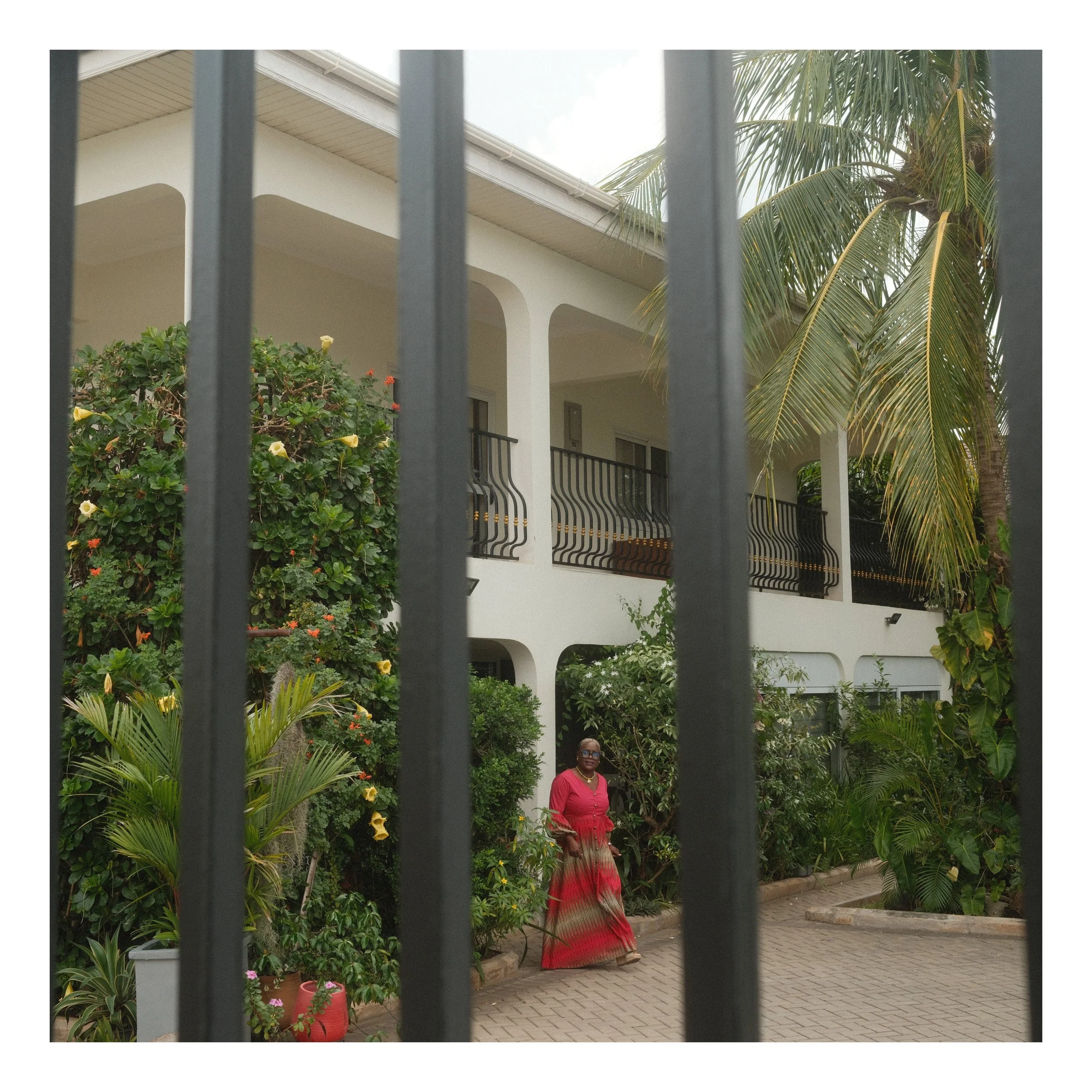
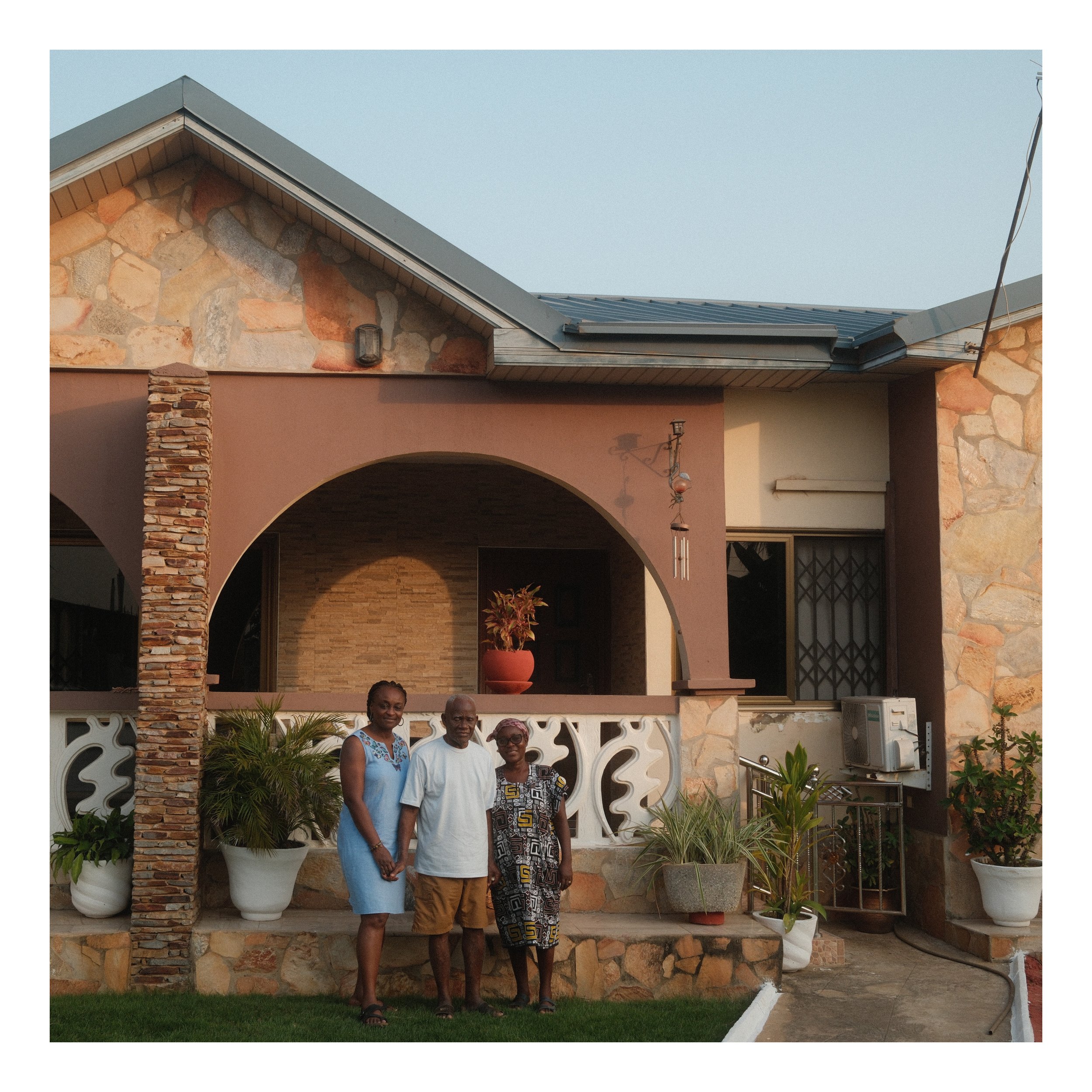
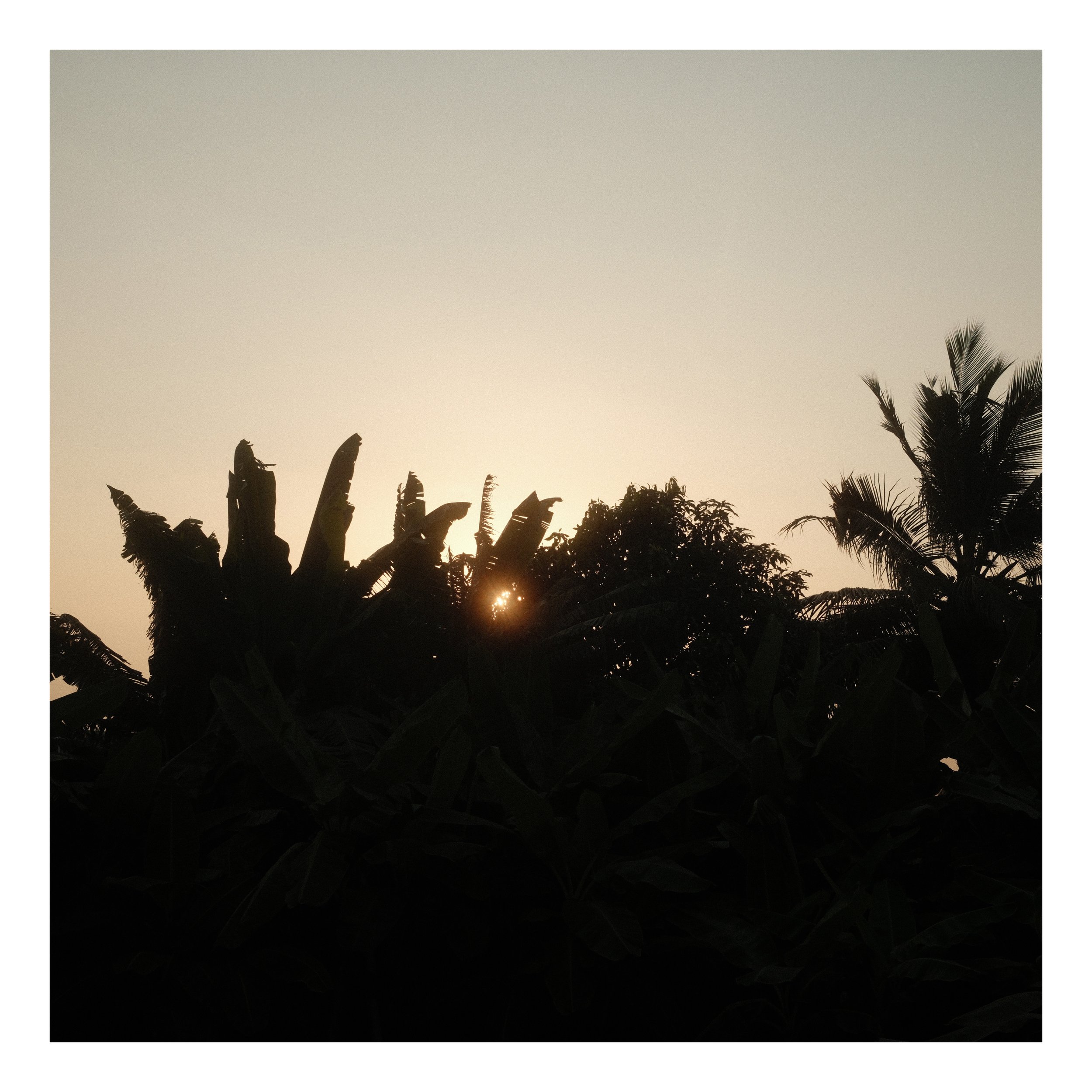
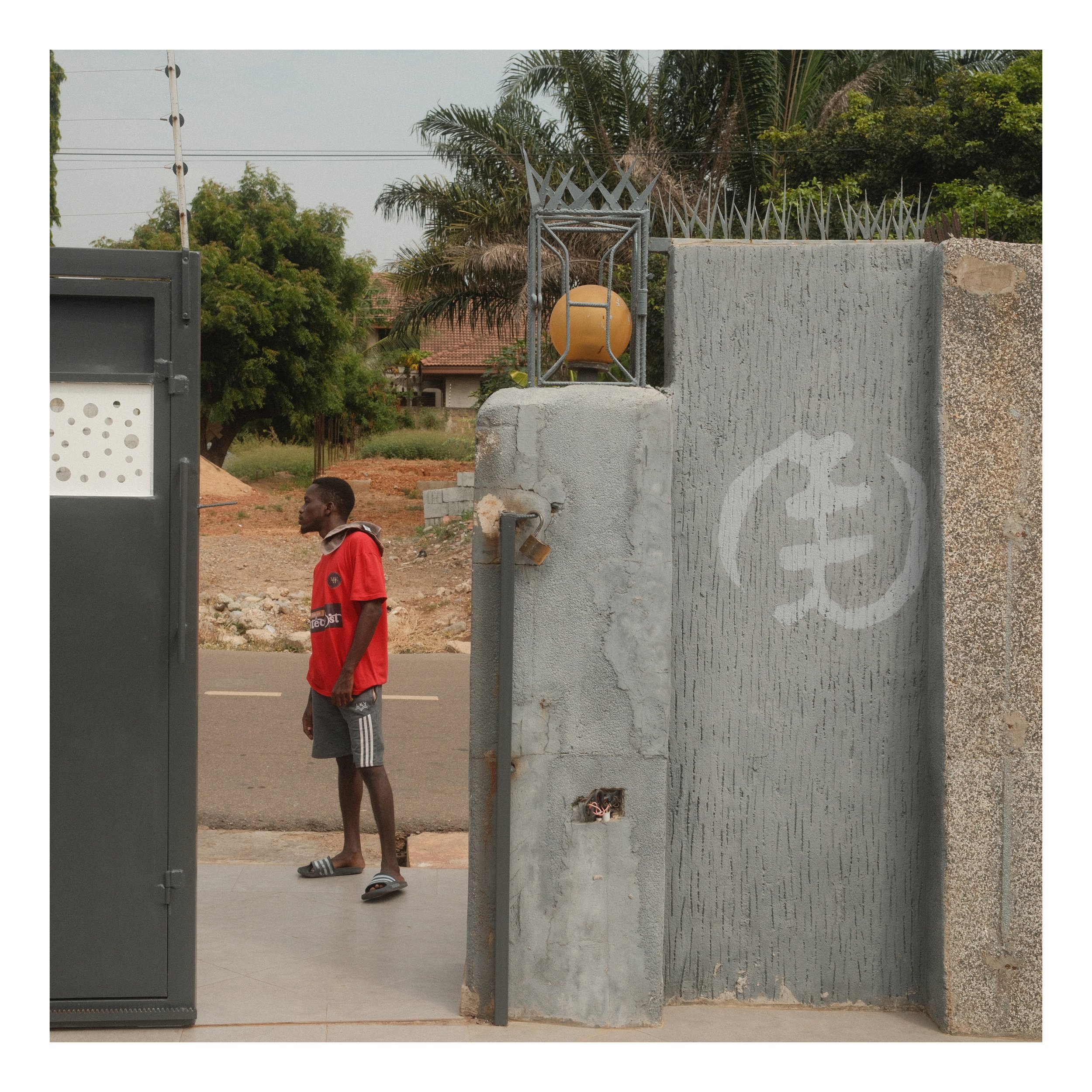
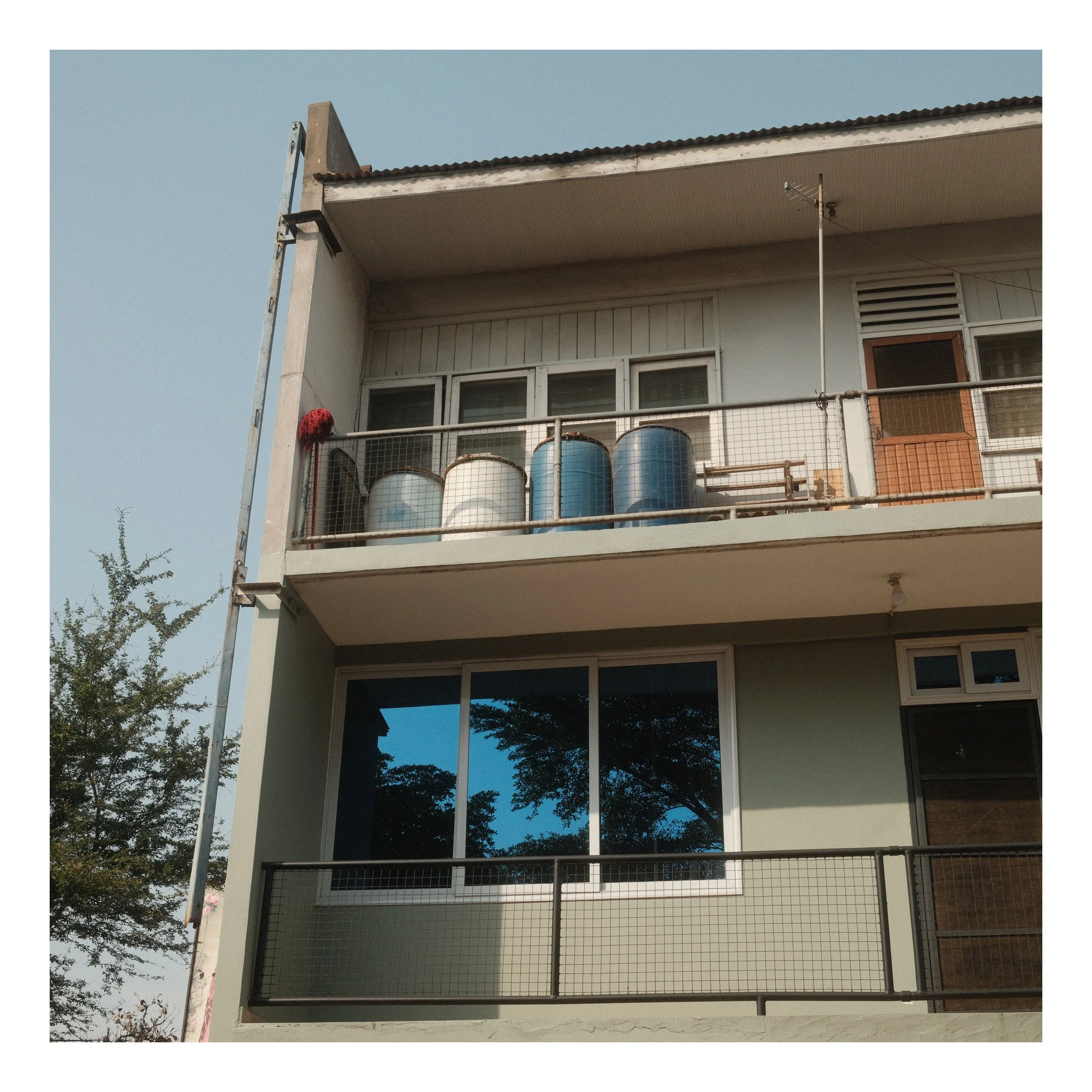
Almost everything I have been trained to want in a building in the Global North turns out to be wrong on the equator. In a cold place you build to trap heat and seal the inside off from the outside. The door is a barrier. The window is a sealed pane holding the weather at bay. Here, glass panes set into folding windows so that the heat can vent. Walls are built to breathe instead of built to seal. The whole structure is designed to move air through itself, to throw shade before it offers a door, to keep the sun off your neck while you wait; shade offered before the door opens; A bench placed in anticipation of the guest. The veranda, the overhang, the deep porch, the courtyard open to the sky, none of these are decorations, they are the architecture doing the work of welcome before anyone has said a single word; the physical grammar of welcome built into the walls themselves.
Much of what might look like backwardness from the outside is just a different set of constraints, solved correctly. The equatorial house is not a worse version of the temperate house. Once you have seen that, you start to see it everywhere, and you start to wonder how much of what you took for granted as progress was only ever the right answer to your own particular weather.
Some of these buildings hold meaning for me. Others I’ve passed a hundred times without registering. But together they tell a story of the development and aspiration of a country that extends care before it asks questions.
Me Daase means thank you. It is the other bookend of every encounter here, the one that closes what akwaaba opened.
Somewhere in the middle of all of it I caught myself wondering whether I have become too American for this place. The question embarrasses me a little, because it cuts both ways: on one hand I am too American to accept the tiers without irritation, too American to find the slowness charming, too quick to reach for the word inefficient. I am also not American enough to stop noticing that the country reads me, instantly, as someone who left. The accent gives it away. The impatience gives it away. I carry the same heritage as the land my parents came from, and I am still, unmistakably, a visitor inside it.
Then again, nothing beats a glass-bottle Coke from the distillery, made with real sugarcane, the way it still is across so much of the Global South. (African Fanta, eeish.) The Coke here tastes the way I am told Coke used to taste everywhere, before the economics of corn rewrote the recipe in the richer half of the world. Nobody here is paying a premium for authenticity. The cane version is simply the version. It is only on the other side of the ocean, where the cheaper and more scalable version won, that the original became a thing you have to go looking for and pay extra to find. I will come back to that idea, because it turns out to explain a great deal more than soda.
Born in the UK of Ghanaian Heritage and raised in the Rust Belt, Patrick is focused on themes of transition, development, and technological impact. His work has covered development in China, Harvard’s Alumni processions, Ghana’s transitional national development, and more.
Written by Patrick Siaw-Asamoah | Photography and video by Patrick Siaw-Asamoah