
Optimist | Nikita Bridan
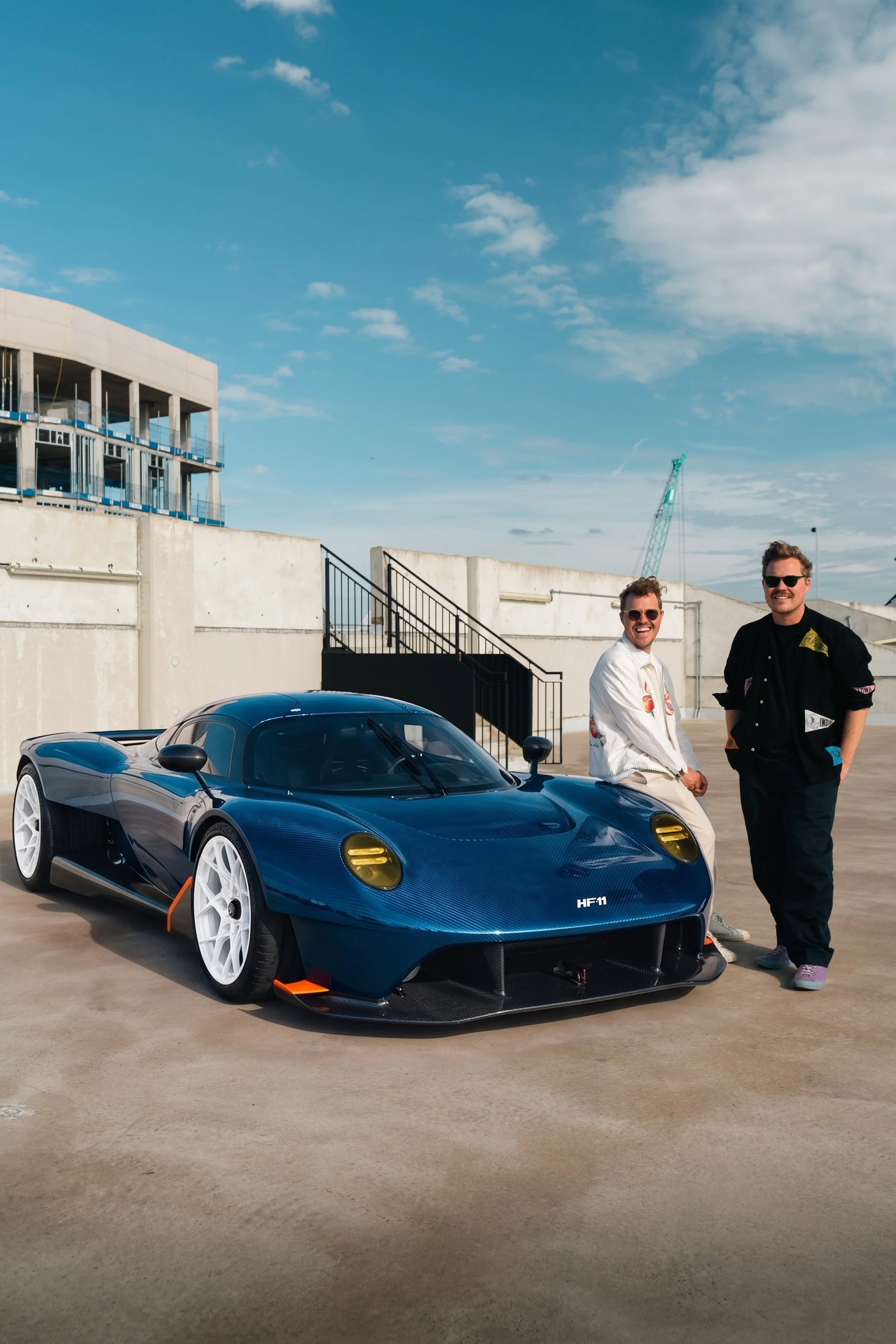
| Nikita Bridan tells me that nostalgia, for all of its virtues, can also become an impediment to progress | That if we become too attached to preserving the past, we stop imagining futures worth building | Not that the future will inevitably be better than the past | Nor that the past ought to be discarded in pursuit of novelty | Rather that technology should deepen the experiences enthusiasts fear it will erase | The HF-11 is not an expression of automotive nostalgia | Retro borrows appearances | Nostalgia pursues feelings | One recreates objects, the other reconstructs memory | As children, the Bridan twins built scale models of their favorite race cars | Colors and proportions drifted | Accuracy gave way to imagination | Emotion was the reference instead of documentation | That distinction became the philosophical foundation for Oilstainlab | The HF-11 is not attempting to recreate a car from another era but to recover what that era felt like through innovation | The danger | The glamour | The mechanical intimacy | The feeling that climbing into a racing car meant entering into a compact with something larger than oneself | A machine that demands participation | The past becomes material rather than destination | Inspiration rather than instruction | It also explains Bridan’s discomfort with the contemporary restomod movement | His criticism is not about craftsmanship, but about coherence | Vintage forms becoming hosts for contemporary technologies without ever fully reconciling the two | Digital interfaces grafted onto analog bodies | Frankenstein creations | Technology should not be attached to experience, but rather transform it | Everything should belong to the same idea | Engineering should emerge from the philosophy rather than compensate for its absence | Bridan’s rejection is the experience that has come to define the modern electric performance car | The sterility | His criticism is not of electrification | It is of unimaginative electrification | Of confusing technological advancement with experiential advancement | The HF11's powertrain accepts both combustion and electric propulsion | Its weight and center of gravity remain effectively the same | The future may not belong exclusively to either | A Trojan horse | Collectors arrive for the engine and leave reconsidering the battery | Not because they have been persuaded, but because they have experienced something they did not expect | Technology is not something imposed upon people | It earns trust through experience | Lightness | Participation | Occasion | Safety not as compromise but as enabler | Engineering in service of emotion rather than isolation from it | Progress that remembers why people fell in love with driving in the first place | Techno-optimism? | Not the faith that technology will inevitably improve our lives | Confidence that thoughtful design still can | The driver is always the hero | The arc of technological progress bends toward efficiency | Time becomes its defining metric | Time saved rather than enjoyed | Retro is easy | Its creation saves time through replication | Bridan proposes another metric | The time we willingly surrender | Time joyfully wasted |
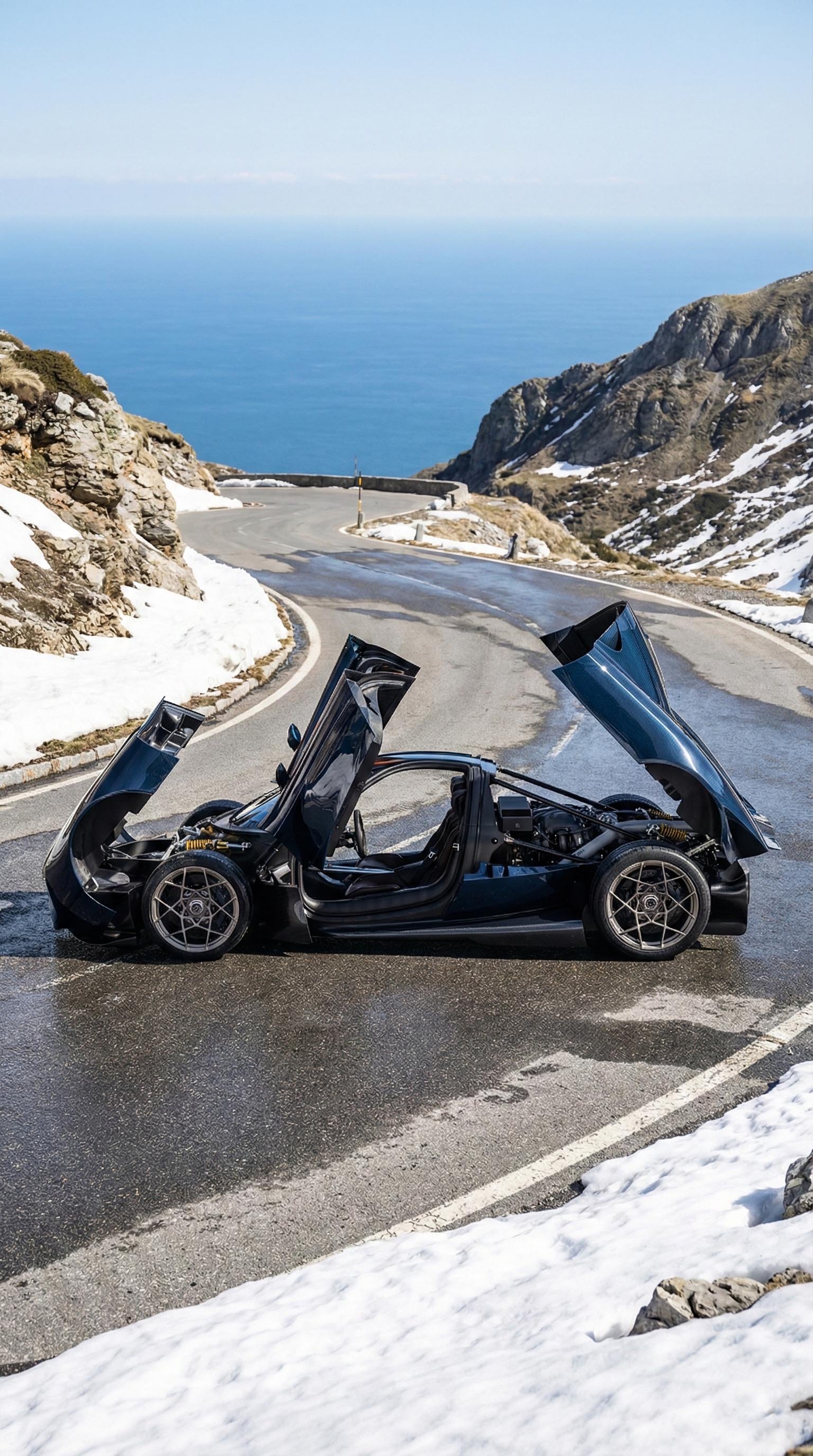
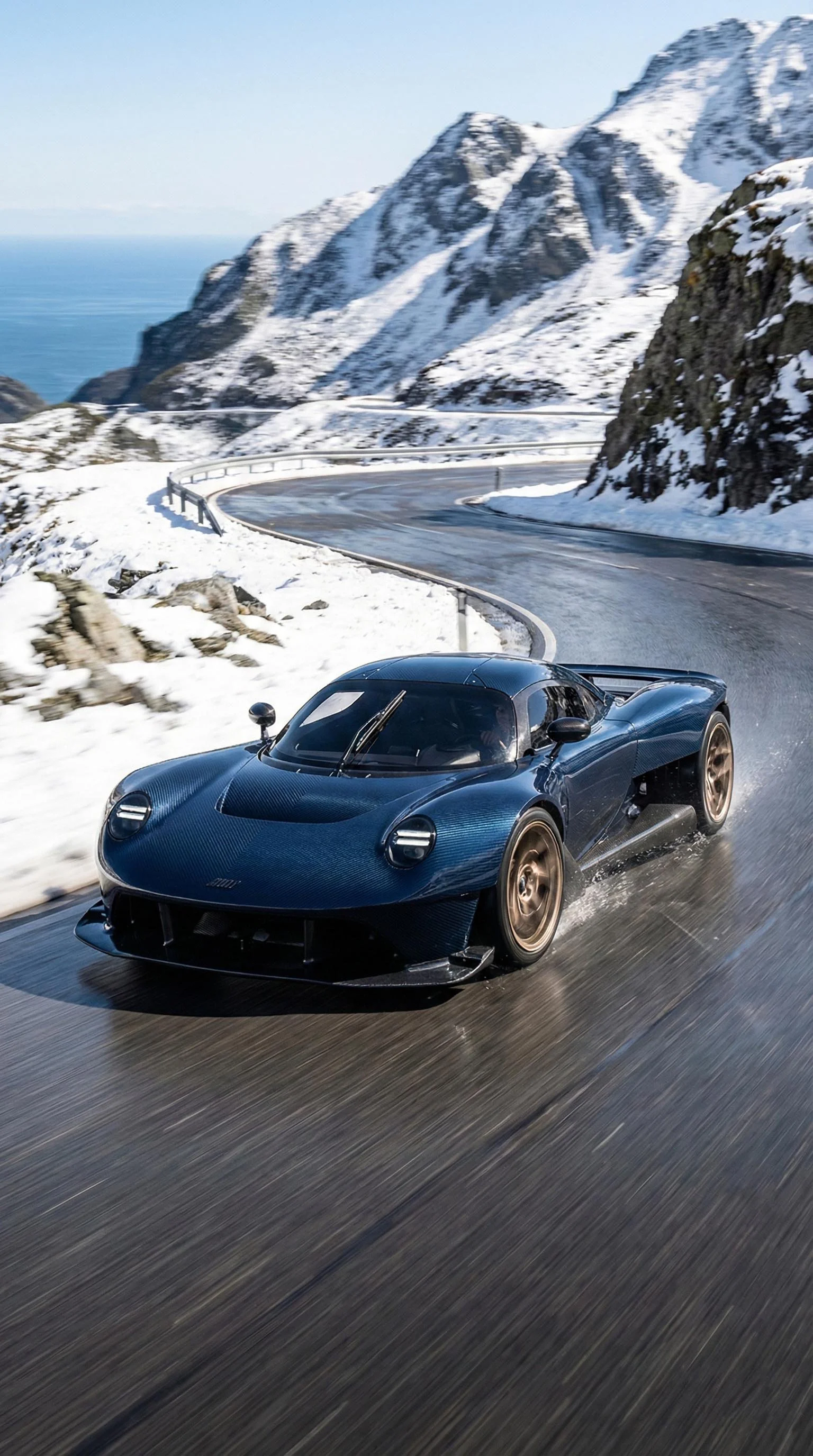
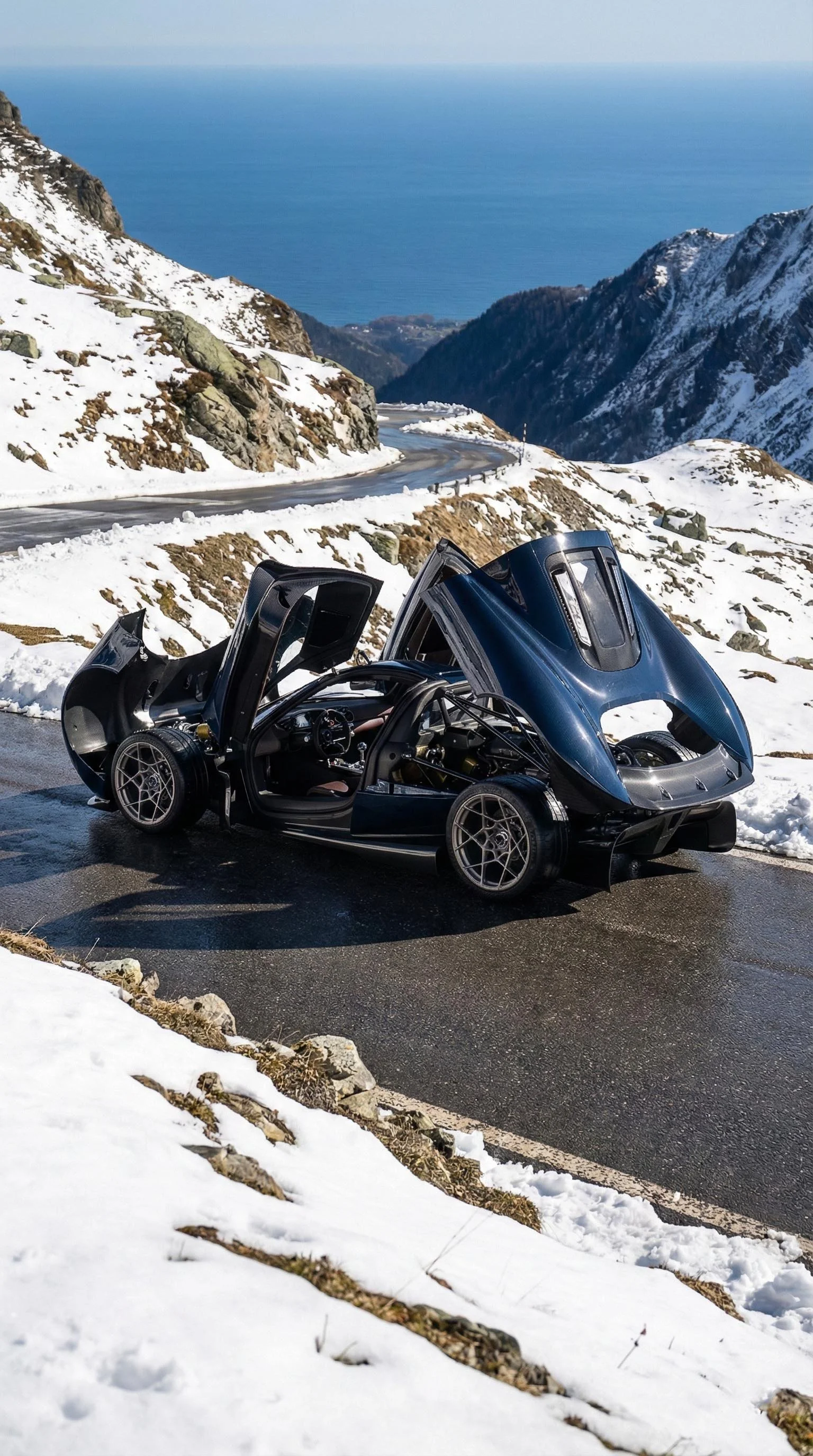
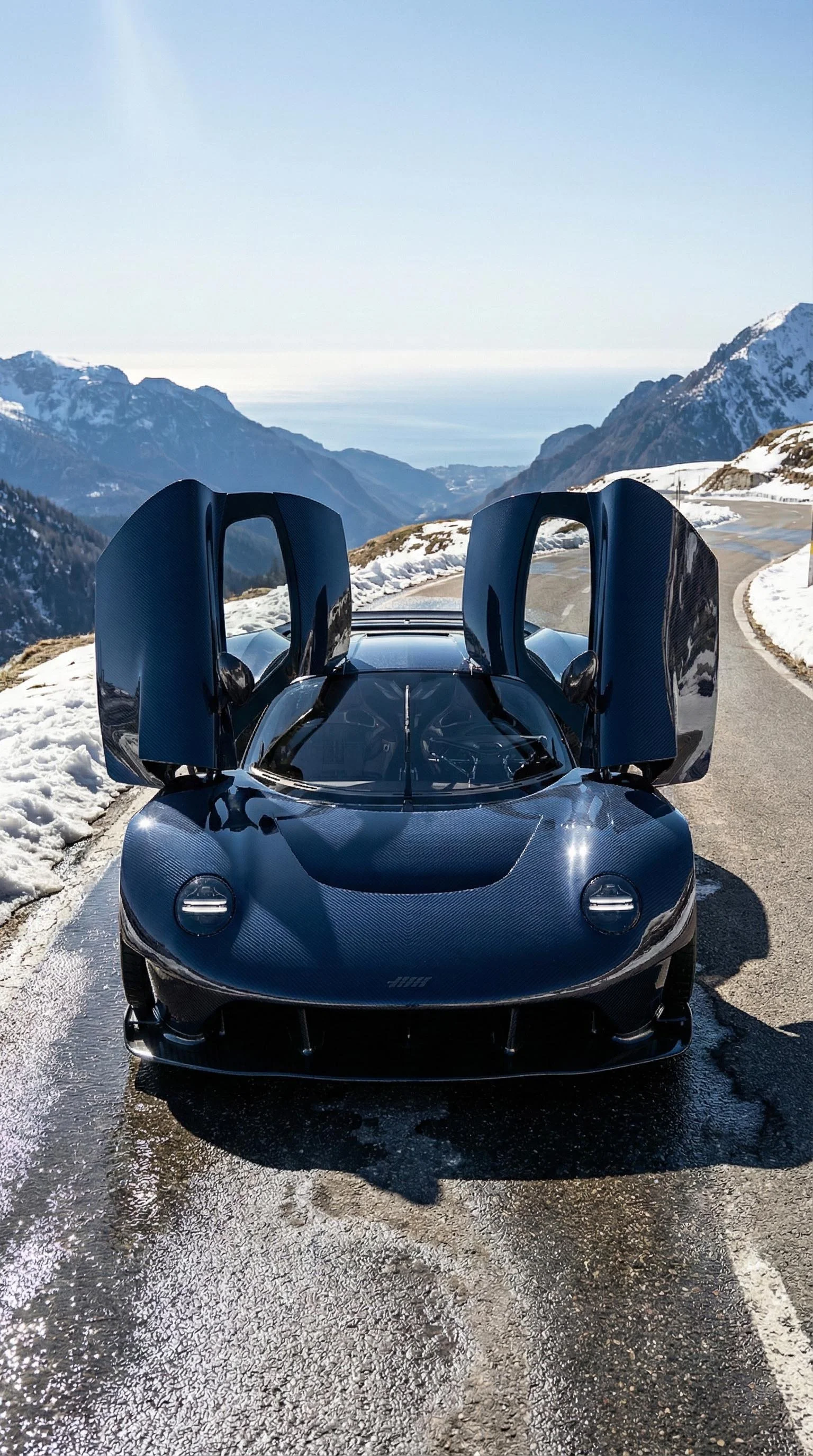
Born in Ukraine and raised in Canada, twin brothers Iliya and Nikita Bridan studied automotive design in Italy and California before leaving careers in the automotive industry to found Oilstainlab in 2019. Working at the intersection of transportation, technology, design, storytelling, and art, the studio has collaborated with companies ranging from early-stage startups to global manufacturers across five continents. Through the Half11 and HF-11 programs, Oilstainlab explores the relationship between technological progress, nostalgia, and driving, developing powertrain-agnostic sports cars that challenge conventional assumptions about performance, emotion, and the future of the automobile.
Written by Chessin Gertler with Nikita Bridan | Media provided by Nikita Bridan