
Instrument | Sora Lee
Before Music, There Is a Body
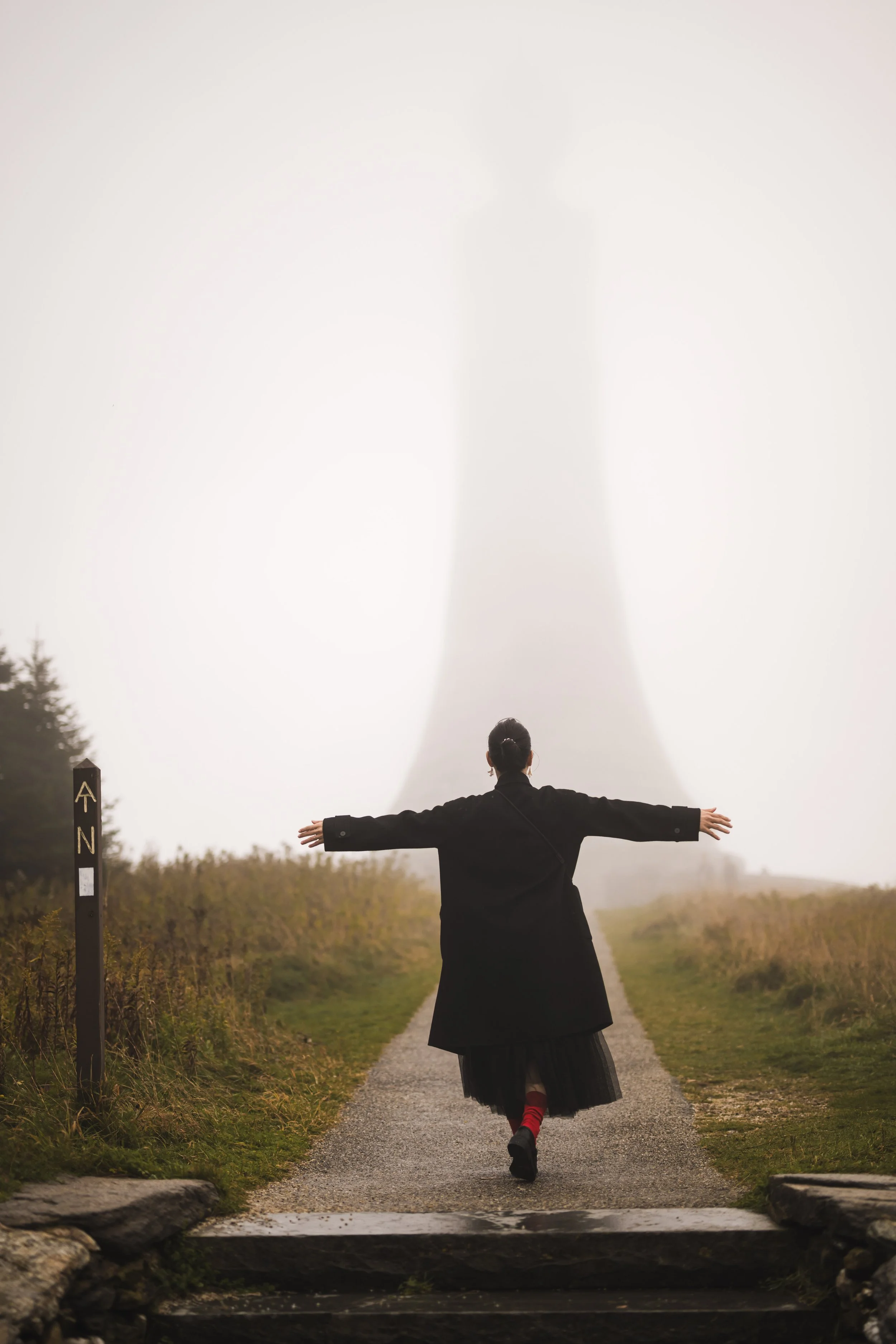
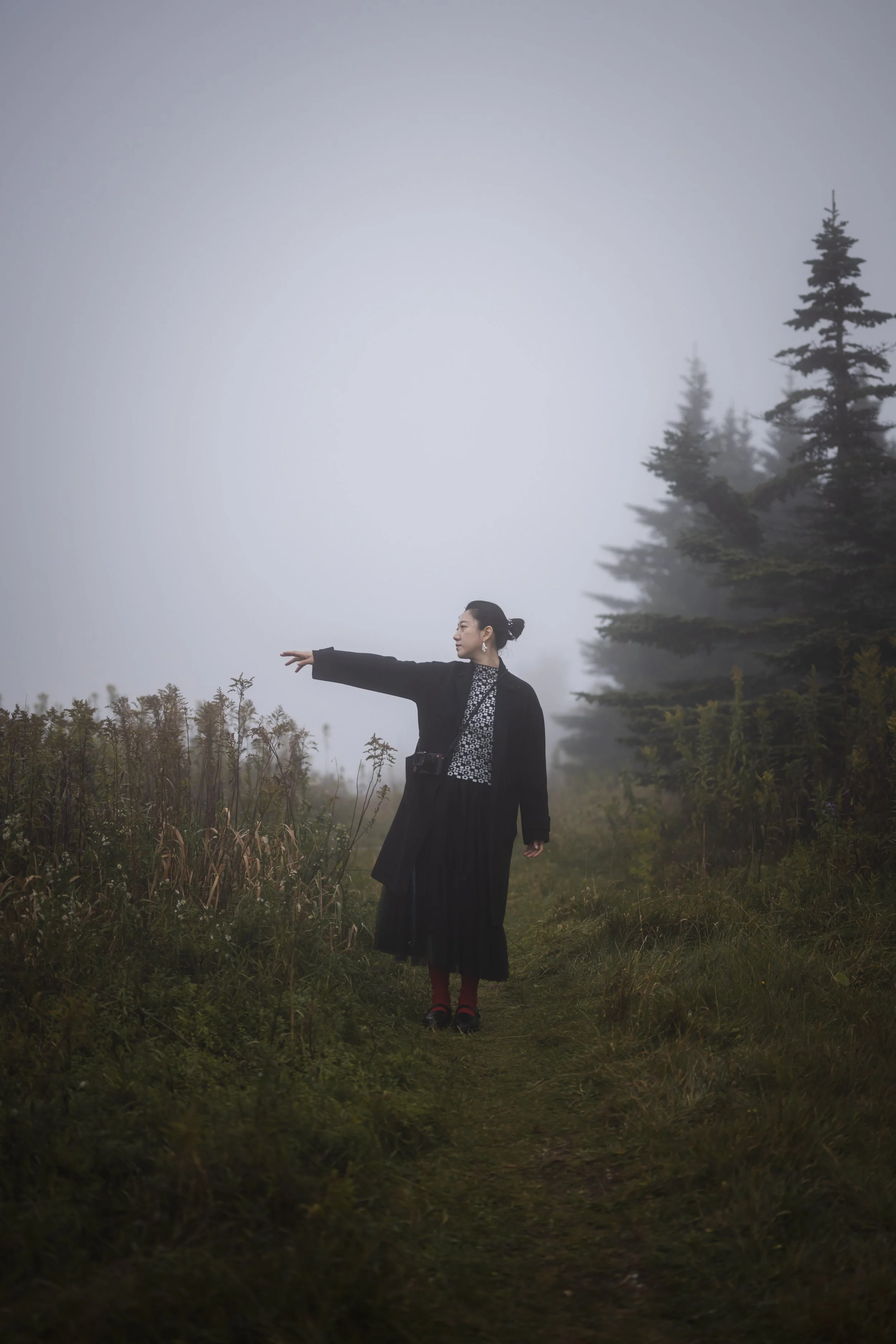
“Imagine that you have been frozen for five hundred years, trapped inside a tiny box. Sunlight begins to reach you, and slowly your body starts to thaw. What moves first?” A finger. A toe. A shoulder. Maybe your eyes?
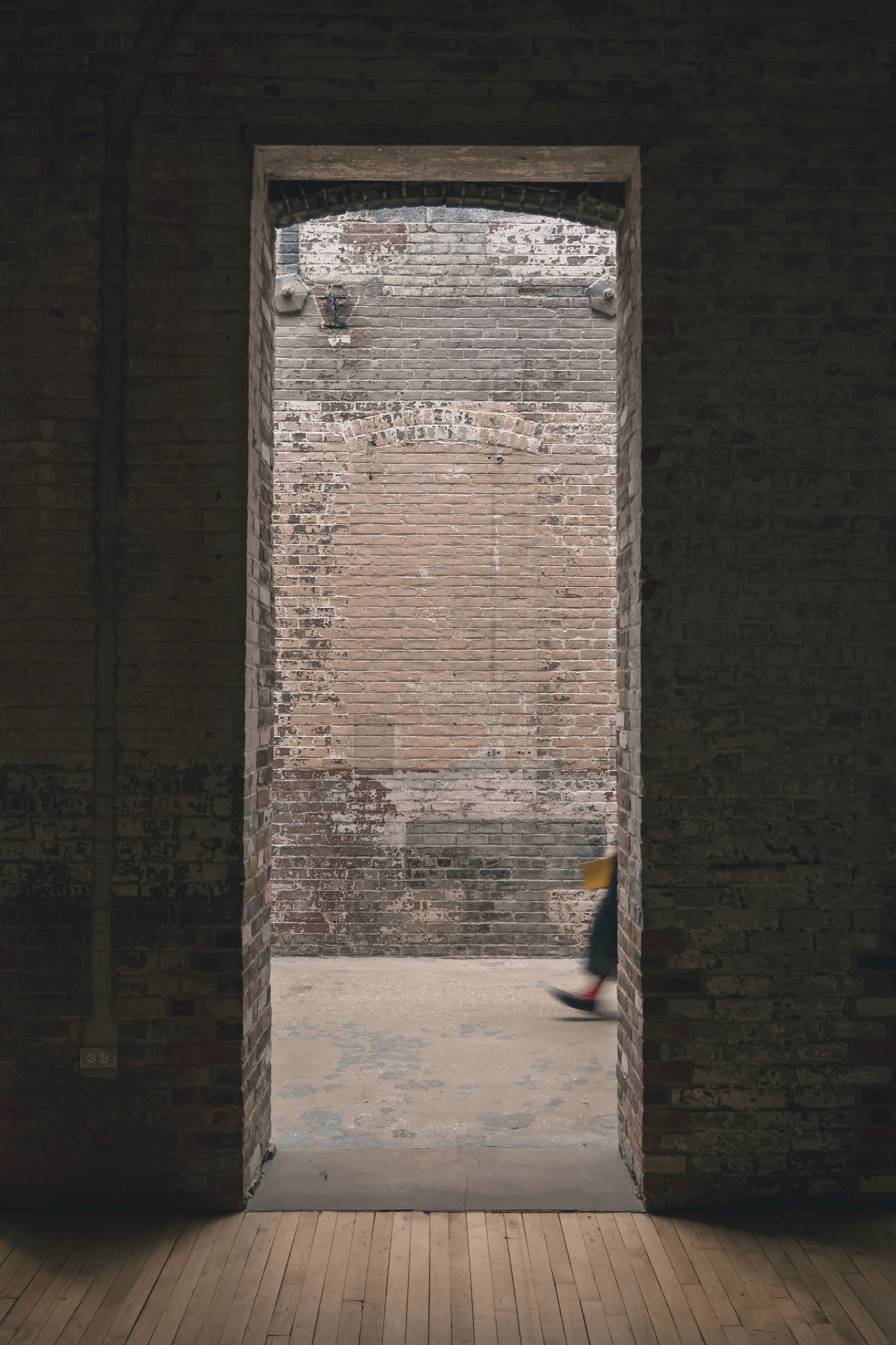
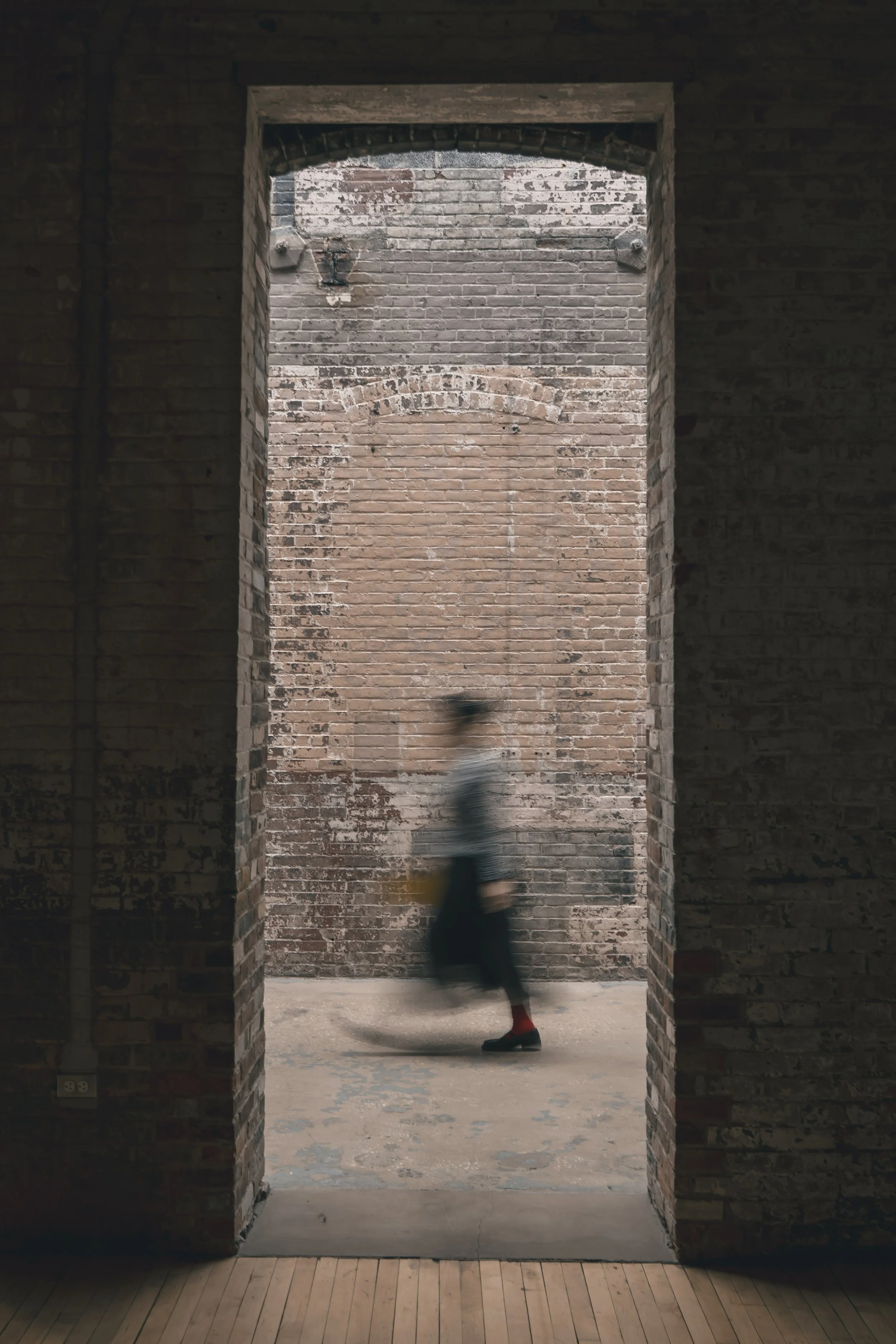
This is how I began leading a Dalcroze workshop in Korea in the summer of 2026.
“What part of you comes out of the box first?” An arm reaches into the room. A foot follows, then another.
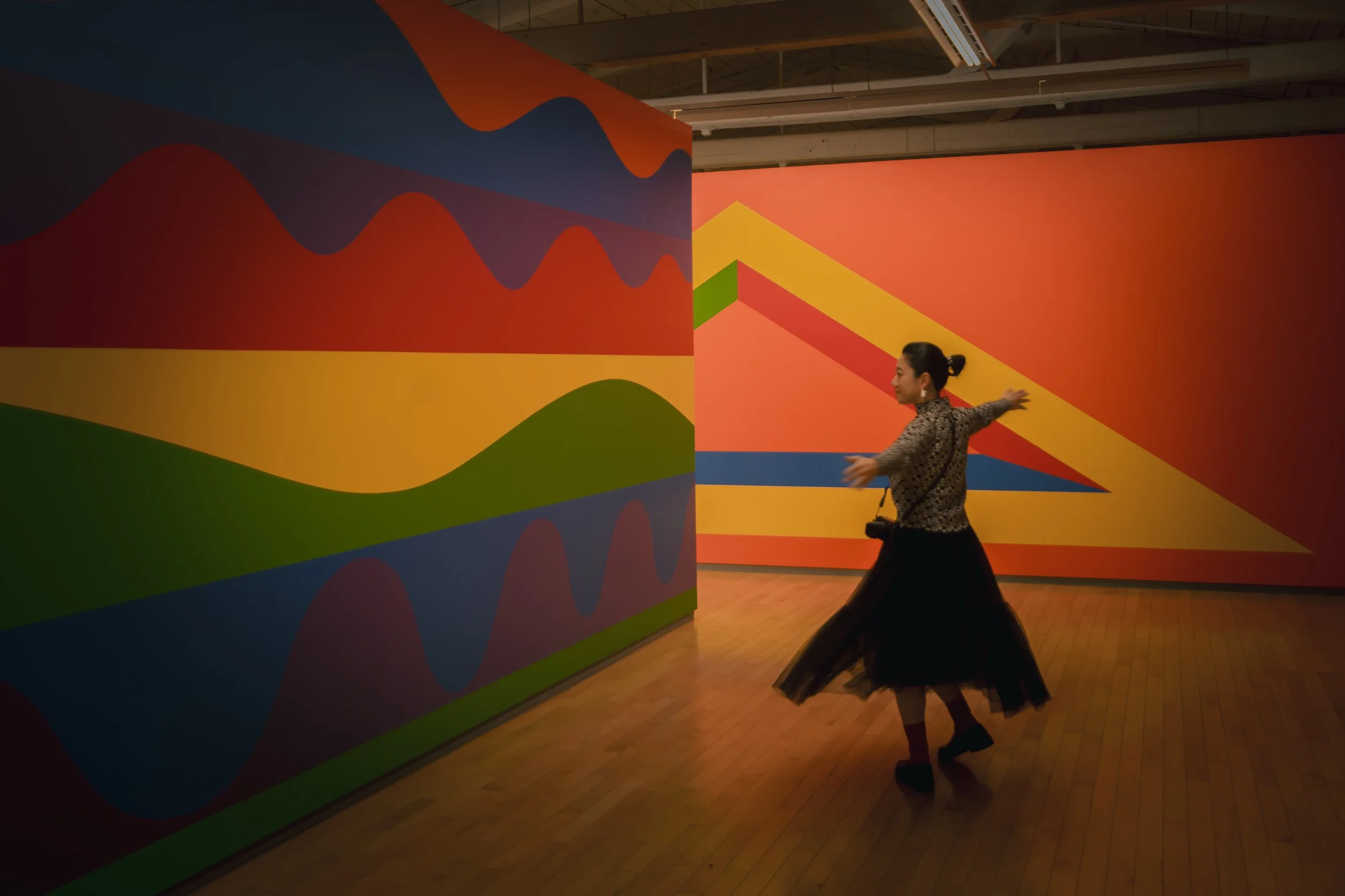
“Now imagine your body is a paintbrush. Paint the space around you.” The movements become larger. Someone closes her eyes. Someone crawls across the floor. Someone turns slowly in place. Another person reaches into empty space as though there is something there to catch.
Others hesitate, glancing sideways to see what everyone else is doing. Am I really allowed to do this?
We have known one another for only fifteen minutes. We do not even know each other’s names. Still, here we are: a room full of adults emerging into the world after five hundred years.
For that first part of the workshop, I am not particularly interested in teaching rhythm or music theory. There is something more important we need to notice first: We have bodies.
I teach Dalcroze, an approach to music education that begins with the idea of the body as an instrument. We experience and express music through the body, allowing musical understanding to become embodied rather than remaining only conceptual.
“The aim is to enable the pupils to say not, ‘I know’, but ‘I have experienced’, and so create in them the desire to express themselves, for the deep impression of an emotion inspires a longing to communicate it to others.” — Émile Jaques-Dalcroze, Rhythm, Music and Education (G. P. Putnam’s Sons, 1921), 119.
Dalcroze education includes eurhythmics, solfège, and improvisation, but what drew me to it was never simply a collection of teaching techniques. Underneath the activities is a way of thinking about being human: the body as a place of experience and expression, and the human being as someone who is always in relationship with others.
We live inside our bodies every day, yet we rarely greet them. We breathe without noticing the breath. We walk without noticing the foot meeting the ground. We reach, lift, turn, sit, carry, hurry. Most of the time, our attention is somewhere else—on a task, on a screen, on another person.
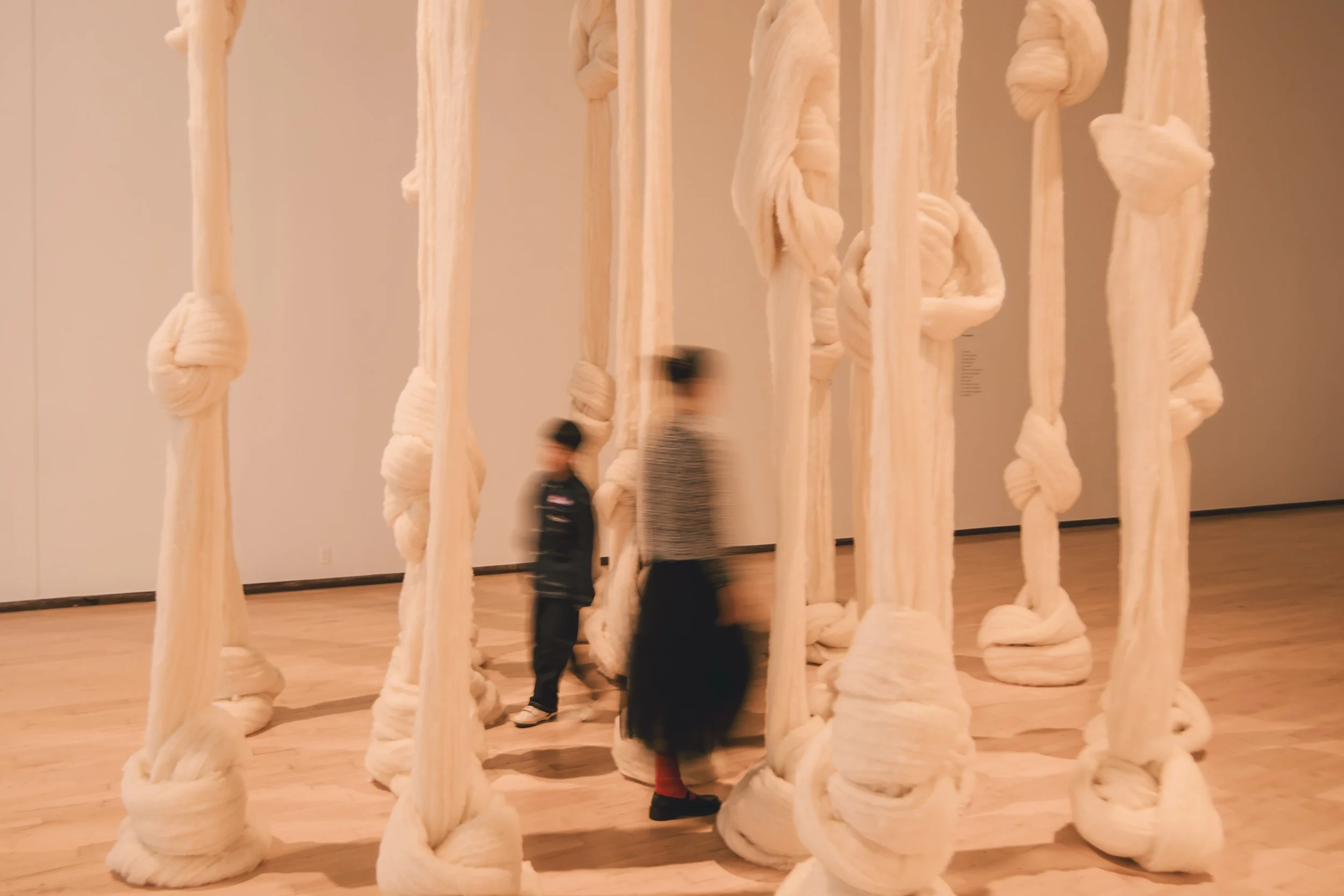
Perhaps that is why I wanted the workshop to begin not with music, but with meeting myself. Because before there can be play, there must be someone who plays. There is me. Then there is you.
Everything else can come later.
After escaping our frozen boxes, we imagined that we had lost language. We could only make sound. I asked everyone simply to exhale. Nothing beautiful. Nothing correct. Just breath becoming sound.
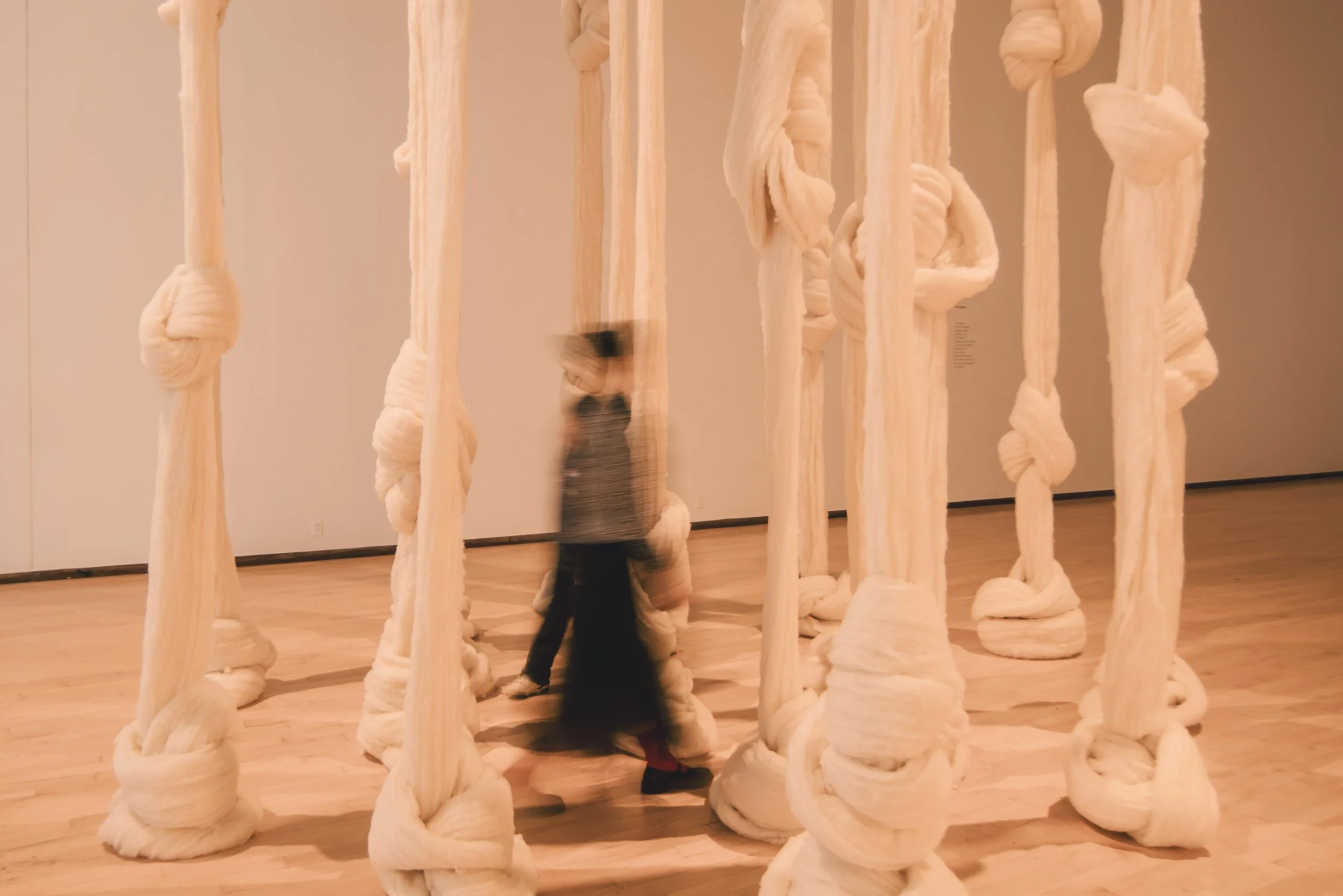
One voice was airy. Another was low. One disappeared almost immediately; another lingered in the room. Gradually, one sound found another. Sometimes harmony, sometimes dissonance, sometimes something that did not need a name. We moved through the room, coming closer and moving apart. Before we knew one another’s names, we had already listened to one another.
Later, I placed a bongo drum in the middle of the room and gave the group a new situation to imagine. We were now a small community, gathered in our village, and this unfamiliar object had somehow appeared among us. “What could this be? What might our community use it for?” For the moment, it was not a drum.
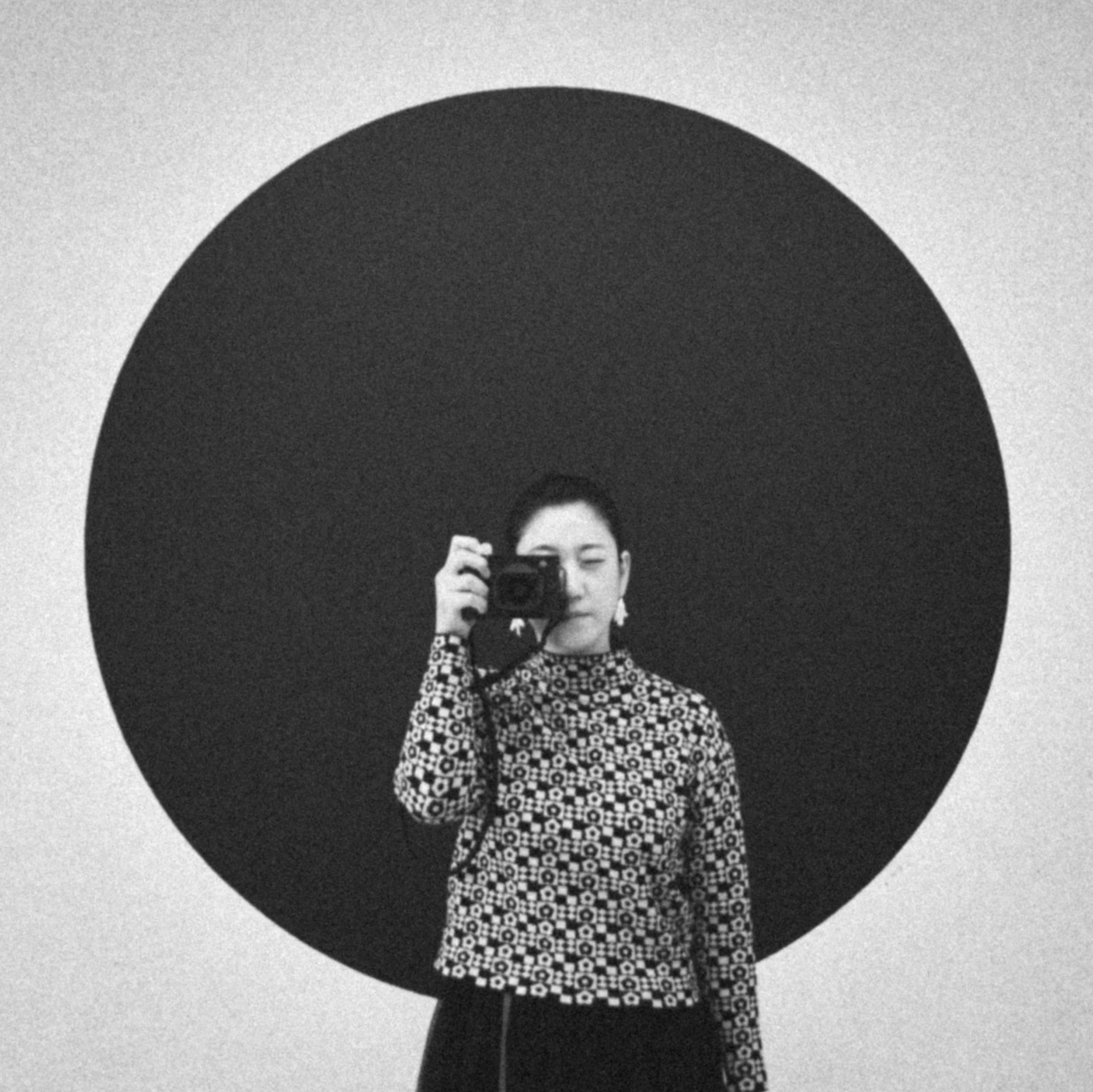
Someone rolled it across the floor. Someone tried to wear it. Someone sat on it. Someone pretended to cook with it. Someone invented something so ridiculous that the whole room burst into laughter. For a while, the object was free from what it was supposed to be.
No one said, Hold it this way. Hit it here. That is not how you play a drum. Instead, we discovered its possibilities together.
Somewhere in the laughter, we became a group. Nobody was especially talented. Nobody was behind. We simply had a strange object, our imaginations, and one another. That was enough.
As the day continued, music entered more fully. We marched, ran, stopped, met partners, swung together, clapped, let go, and found one another again. In one activity, everyone stood in a circle and tossed beanbags to designated partners. More beanbags were added. New challenges appeared. At first, it felt almost like a coordination exercise.
Then Bizet’s Habanera began to flow through the room. The rules barely changed, but everything else did. Now every throw responded to the music. Someone waited for the right moment. Someone extended an arm more dramatically with the phrase. Someone caught a beanbag and held another person’s gaze just a little longer.
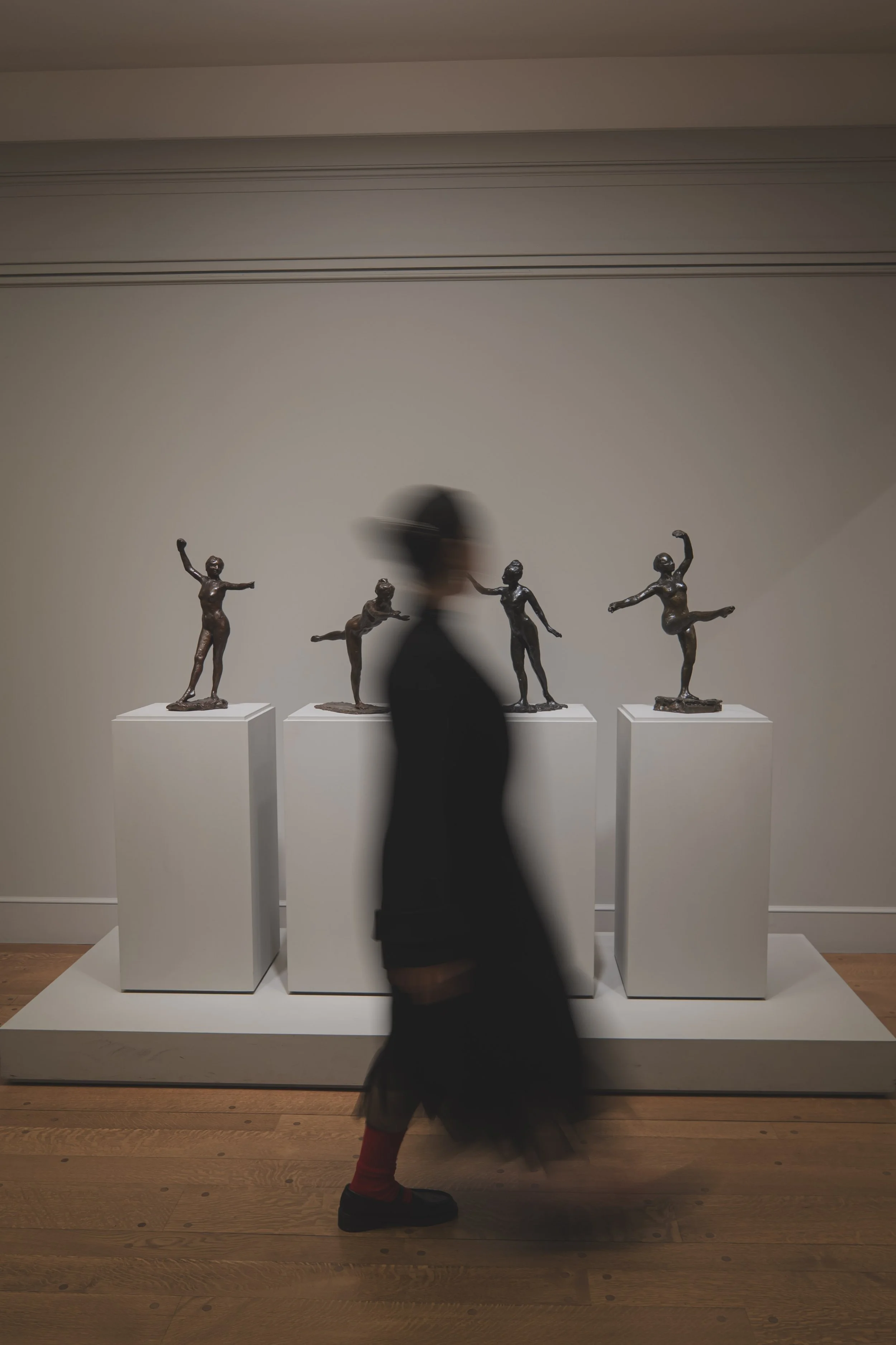
The movement took on tension, humor, and play because the music was shaping it.
The beanbags rose and crossed above us, almost like small fireworks being launched into the air. From a distance, I imagine the whole scene might have looked like a festival. Music had given the same actions another life.
We also made sound and movement from Kandinsky’s Composition VIII. We turned poetry into music. We improvised. Some participants had never played the piano before. Rather than assigning them a theme, I asked them to choose one for themselves—to take responsibility for the small musical story they wanted to tell. Their ideas were all different. Spider-Man. Something slow and sad. Something fast and joyful.
Someone played one note, then another. I listened and supported the emerging melody with a simple ostinato accompaniment. Suddenly, those hesitant notes had somewhere to live. They played again. I responded. They changed. I followed. The music became louder, then softer. Eventually, without speaking, we both knew when it was finished.
For that moment, there was no teacher and no beginner. There were simply two people aware of each other through sound.
Only toward the end of the day did we properly introduce ourselves and reflect on what we had experienced. One participant said that during the first activity, she had touched different parts of her body and quietly thanked them. She became emotional. When was the last time I cared for myself this way?
Another, around fifty years old, said she had spent most of her life believing that she was not musical. That day, she realized that music had been inside her all along.
Someone else remembered learning music through constant correction—being told what was wrong, what needed improvement, what she could not do. Over time, she had lost her desire to make music. “I wish my students could experience music like this,” she said.
The reflection lasted much longer than I had planned. The teachers who had arrived that morning as strangers stayed together until evening. Someone joked that next time we should forget the one-day workshop and have a three-day camp. People hugged. They lingered near the door. We had met only that morning.
What had happened to us?
Music had given us a way to meet. But before any activity worked, before any rhythm or melody mattered, we had begun by noticing ourselves—and then noticing one another.
A finger moving. Breath leaving the body. Someone waiting across the room. A strange object passed from one imagination to another. A beanbag thrown toward someone with the trust that they would catch it.
A body is deeply personal. It is one of the ways I know myself as me. But the moment my body enters a shared space, it also enters into relationship.
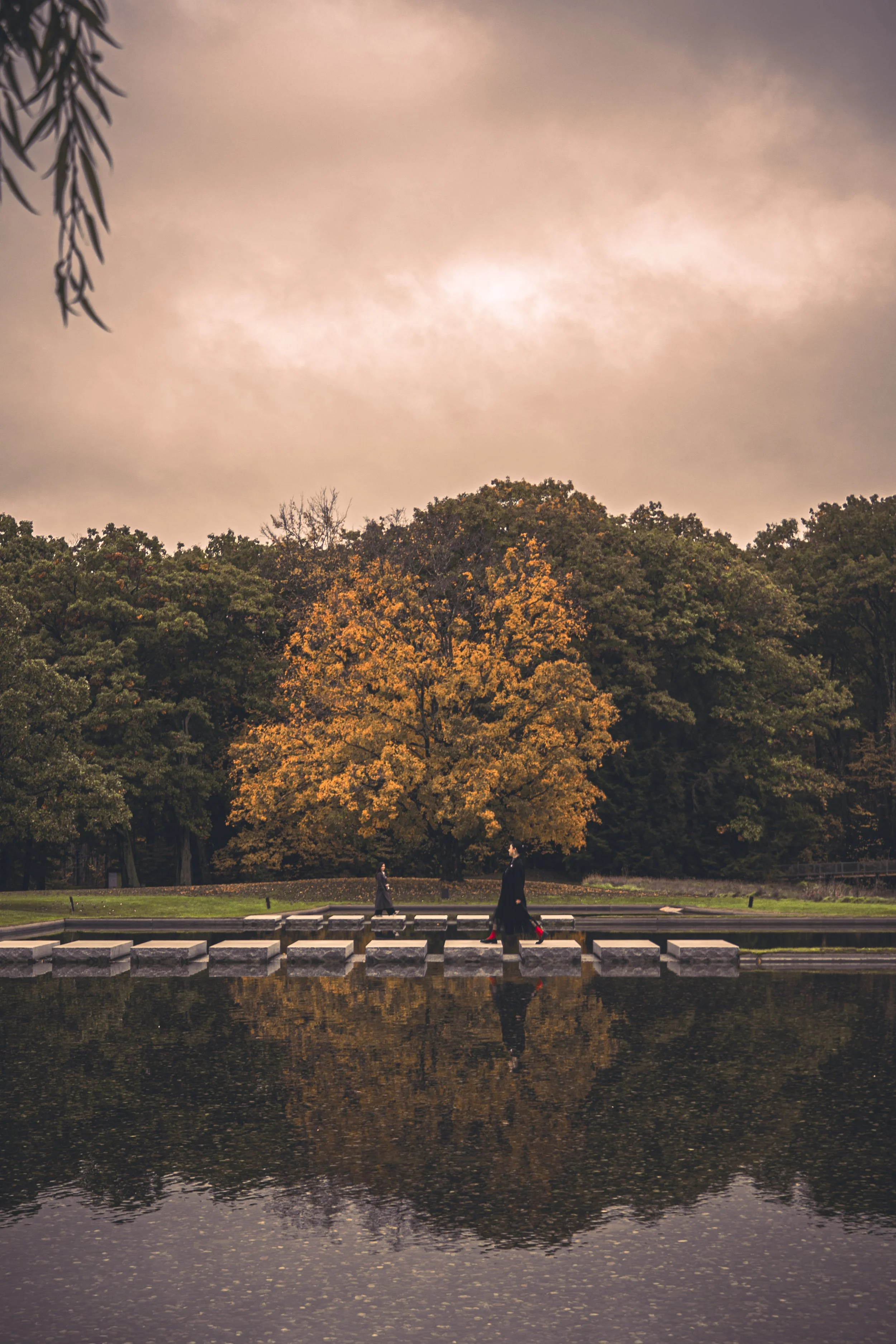
I move, and you respond. You stop, and I notice. I make a sound, and you answer. I throw, and you catch. Perhaps connection begins there.
Long before we know one another’s stories, professions, ages, or names, we already know something about each other. We are here. In bodies. Together.
This is also what I try to remember when I teach children. A child does not enter my classroom empty, waiting for me to put music inside. They arrive with a body, a voice, an imagination, a rhythm, and a way of moving through the world that has never existed before. There is already an entire universe there.
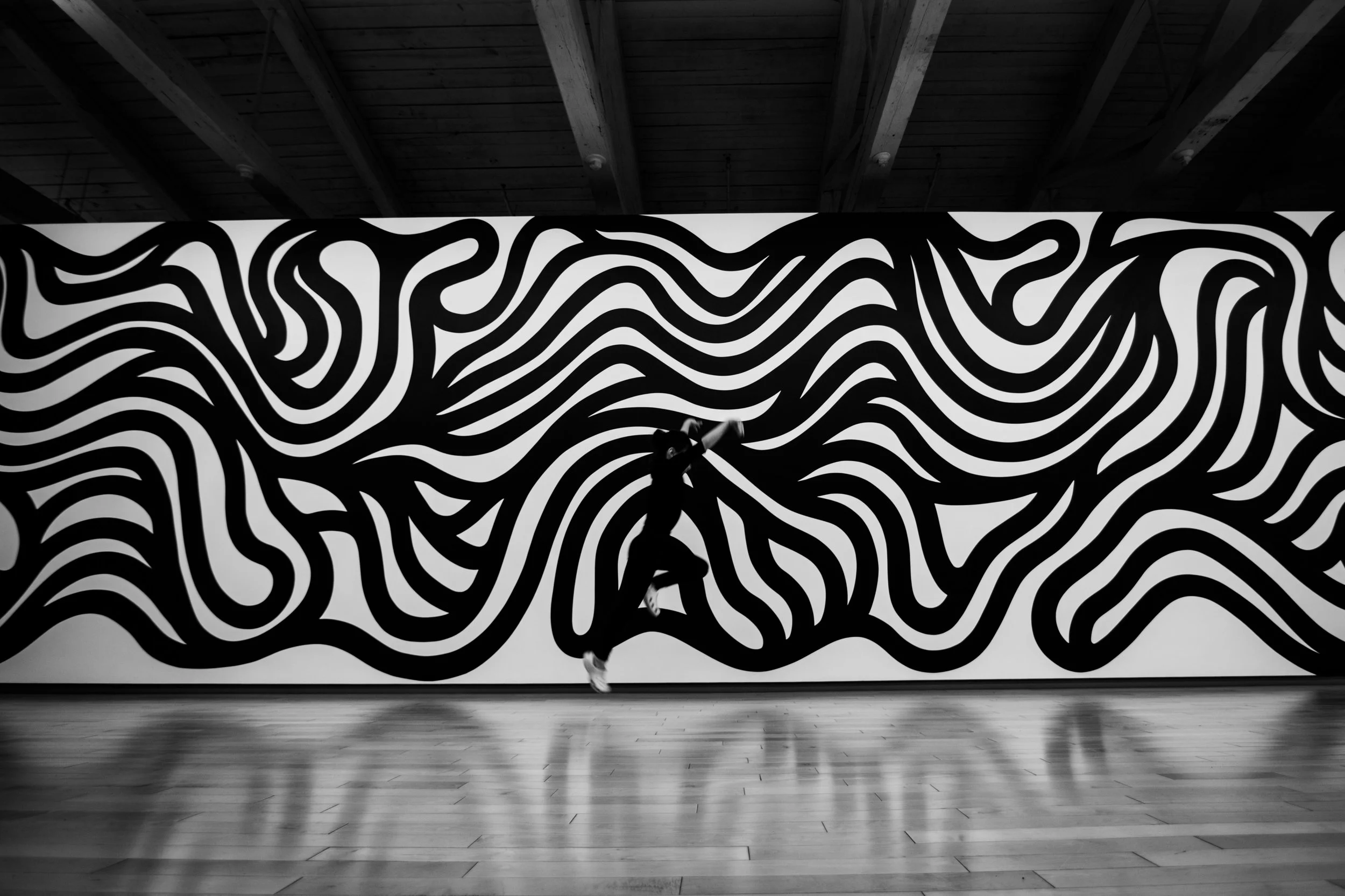
Perhaps teaching is less about filling it. Perhaps it is about noticing—creating enough space for something that already exists to appear. A movement. A sound. An idea. Another person.
Before music, there is a body. And then—
someone else.
Sora Lee is a certified Dalcroze educator and pianist based in Boston, with a focus on creative and inclusive music education. She teaches at New England Conservatory, Concord Conservatory of Music, and the Berklee Institute for Accessible Arts Education (BIAAE). She is currently completing her Master of Music in Music Education with a concentration in Autism at Berklee College of Music.
Written by Sora Lee | Photography by Sangsuri Chun
References
1. Dalcroze Society of America, “The Dalcroze Practice,” accessed November 24, 2025.
2. Émile Jaques-Dalcroze, Rhythm, Music and Education (G. P. Putnam’s Sons, 1921), 119.
3. Le Collège de l’Institut Jaques-Dalcroze, The Dalcroze Identity: Theory and Practice of Dalcroze Eurhythmics, 2nd ed. (Institut Jaques-Dalcroze, 2020).