Letters | J. B. Hwang
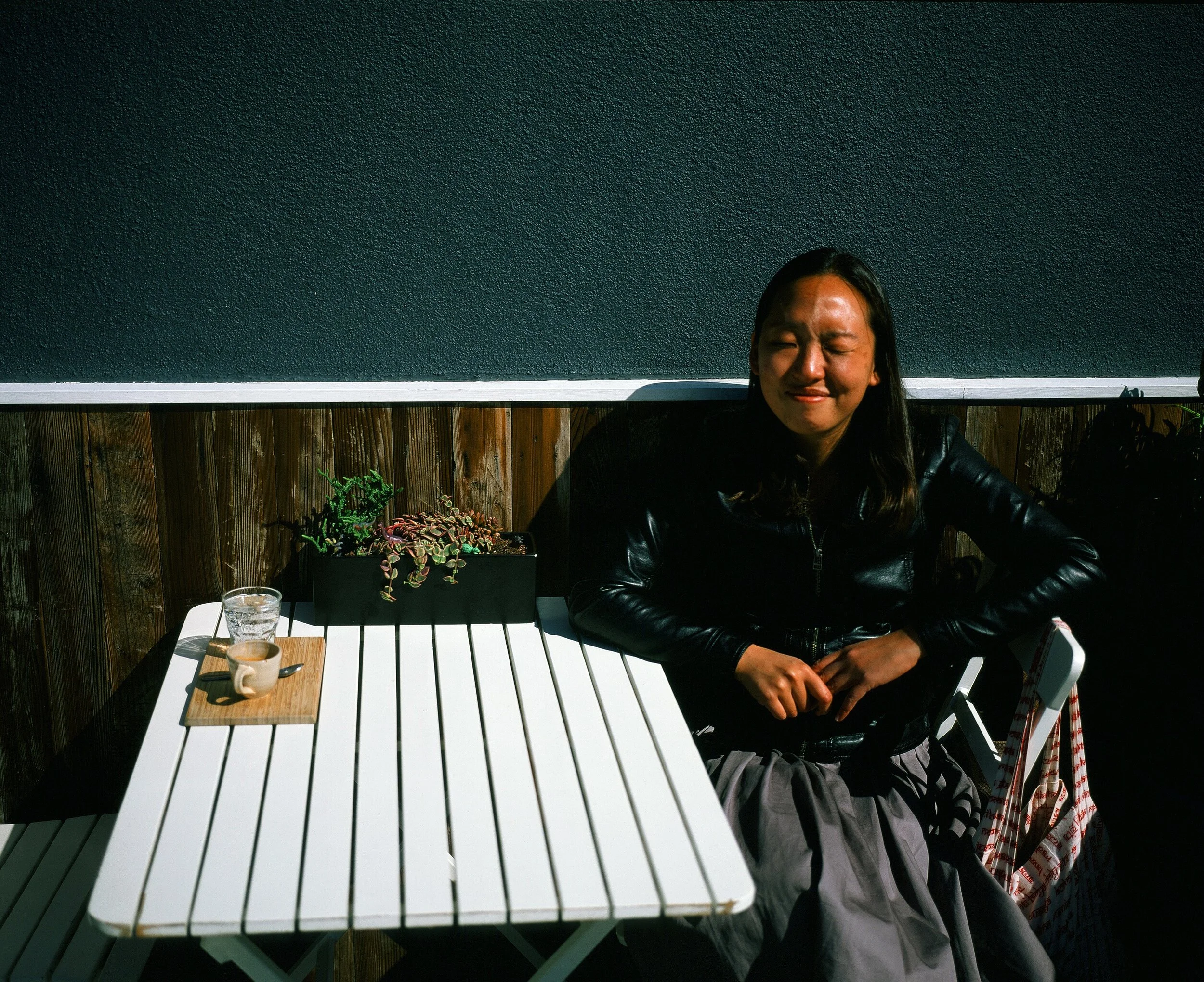
J. B. Hwang is a dear friend. We spoke about the long road to her first novel, the tension between autobiography and invention, the uncertainty of identity, and her plans ahead. Interspersed are photographs I took on a 2016 trip to visit J. B., her sister, and another of our close friends.
Chessin Gertler
I met Chessin our freshmen year in college, in our beginning Mandarin class. Though I grew up in a suburb outside of LA, my poor, immigrant background made me feel like a country bumpkin at Harvard. At the time, I didn’t appreciate the value of my perspective, but Chessin did. His parents were Ivy-educated doctors, but despite our different upbringings, he became and has remained one of my closest friends.
In my novel, Miriam and Esther also come from contrasting backgrounds and frameworks, but as it is with Chessin and me, that is one of the beauties of their friendship. I love their push and pull, their freeing acceptance of each other, along with how they stretch and challenge each other.
Mendell Station is my debut novel, a love letter to San Francisco and the essential work of the postal service. It follows Miriam, a thirty-two-year-old Korean American woman picking up the pieces of her life after losing her best friend and her religious faith in one blow, all while trying to deliver mail during the pandemic.
Background
I use a pen name because I want to distance myself from my work and not have it define me. At the same time, the pen name is derived from my name—very similar to it, which means I feel personally responsible for what I write, and I don’t care if anyone finds out who I am. I’m not too precious about it.
Writing
My journey towards writing began during my childhood, when novels saved my life. I wrote a few short stories in high school, but just for fun. After college, I quit my job in a completely different field to write a memoir while tutoring part-time to support myself. I thought the memoir would take at most a year to finish. It took me three years. It was never published, but I learned a lot about writing and how much I needed and wanted to do it. I moved back and forth between Seoul and San Francisco, only taking part-time jobs that gave me the time and flexibility to write. During this time, I wrote a bunch of short stories and had a failed novel attempt. Then there was one year, when I was doubting whether my writing was going anywhere, that I served a year in Americorps to explore a career in education. It made me realize how much I respected teachers but ultimately needed to go back to writing. I also tried applying for MFA programs three separate times. The first two times, nothing. Finally, when I was 33, I got into a few, and went to the University of Florida, where I finished a draft of my novel. When I didn’t know whether it would get published, I became the most depressed I’d been about my writing and began seriously researching nursing programs. I was 37 when I got an agent and sold the novel, 39 when it was published.
Looking back, if someone had told my 22-year-old self that I wouldn’t publish my first book until I was 39, I don’t know if I would have continued down this path. But at 39, I’m happy. Happy with what I’ve done with my life, what I’ve learned through writing, the work I’ve done on myself, all the love I have.
Although I plan to continue writing, I’ve recently had a baby, so things are slow writing-wise. I don’t know if being a writer, or even a mom, is a part of my identity. Writing has certainly been a huge part of my life, but these days I’ve been contemplating who I am at my core, without all the trappings. Identity was such a hot topic, buzz word, preoccupation, for so much of my twenties and thirties. It seems like an insufficient concept these days.
Novel
I have experienced the traumatic loss of a close friend, multiple spiritual crises, and I’ve worked as a mail carrier during the pandemic. I wanted to talk about these experiences in a novel because there was a connecting theme, a question of what one is to do when their life falls apart—whether it’s losing the love of your life, the spiritual framework of existence, or everything that stopped during the lockdown—how do you keep going on? The mail had to keep being delivered, just like Miriam, the character in the novel, had to keep living.
I started writing it in 2020. I was fortunate to have wonderful professors and a lovely cohort at UF, and three years of support to write the novel. While writing, the important thing was to have the three separate threads (grief of friendship, spiritual crisis, postal service) inform each other throughout the narrative, to have some sort of tension and momentum build up. But I also wanted to preserve a highly personal, quiet, post-apocalyptic atmosphere.
Everyone wants to know how much of it is based on my life. The novel is fiction. Yes, I drew from my life and the lives of those around me, but I made a lot of it up, too. I knew I would never be able to capture the vibrancy of the friend I lost, and I didn’t want the two friends’ families to be based on my friend’s family and my family (they’ve suffered enough). In fiction, I have the freedom to combine people I’ve known, heard of, and imagined to create fictional characters. I can also combine, tweak, twist, real-life situations experiences and add imagined elements, change the timing, place, etc.
San Francisco
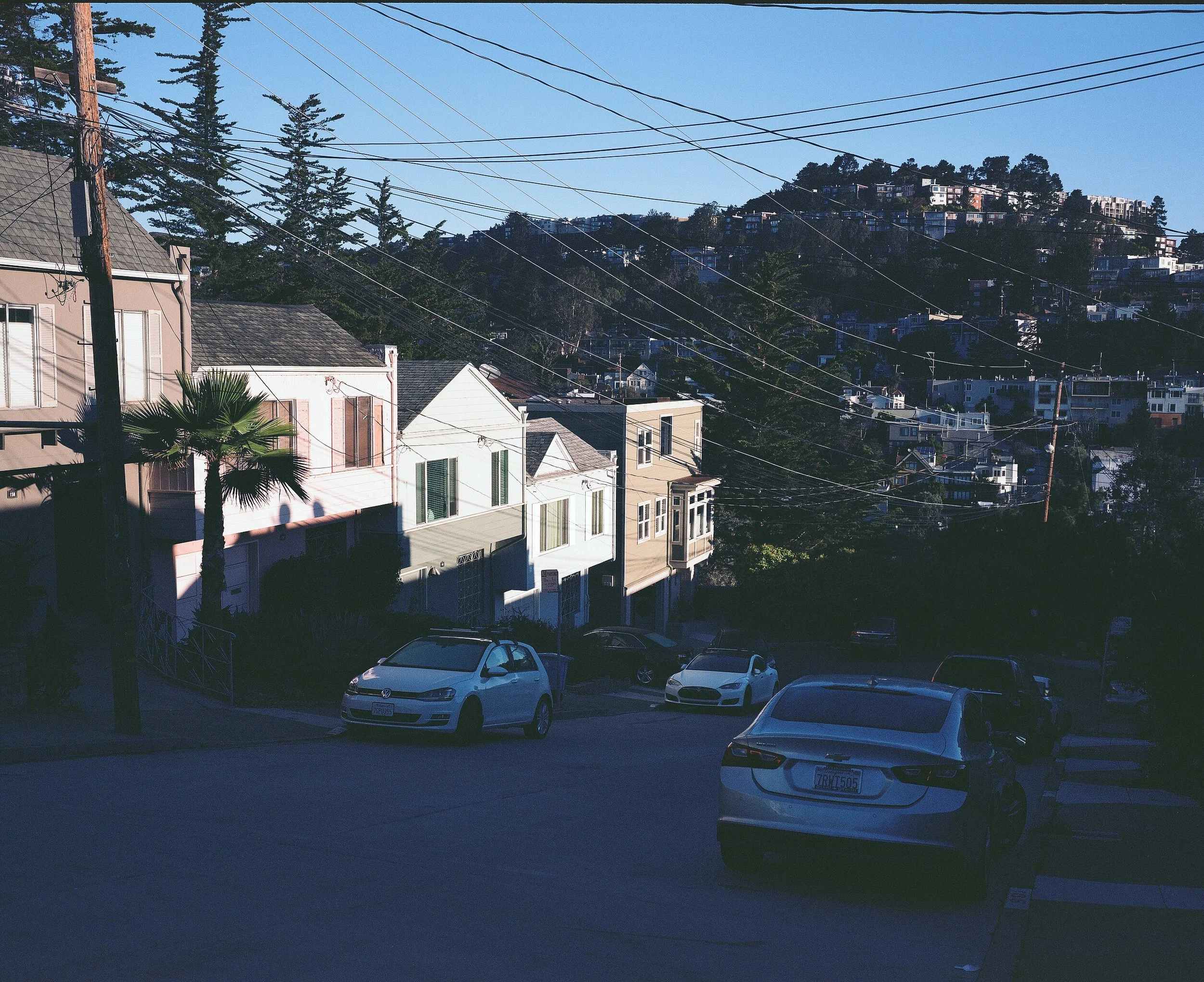
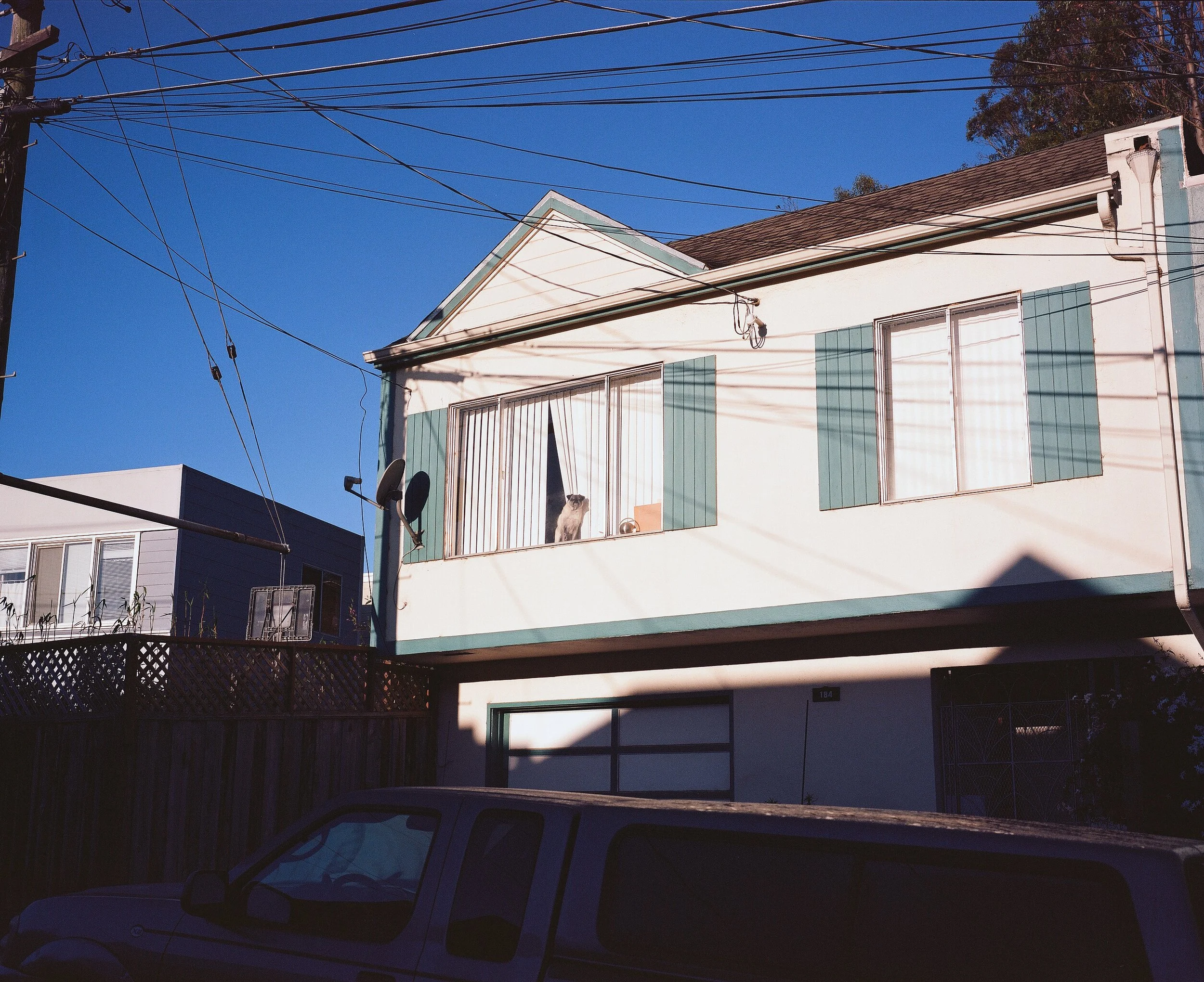
The book is a love letter to San Francisco. Though the characters Miriam and Esther grew up in a suburb of Los Angeles, they came into their own in the Bay. Their friendship grew complicated as they became adults, and SF was where it all happened. Also, a mail carrier has such a unique, intimate relationship with the neighborhoods and streets they deliver to, and I wanted to show San Francisco through that perspective.
I consider my book Asian American literature because it’s written by an Asian American and has Asian American characters and content—all things that I’m proud of. But I appreciated when my agent said that my book had Asian Americans but it wasn’t about being Asian American, that wasn’t the main issue. Of course, those books are important and need to exist, but my book takes Asian Americanness for granted. I also think my book is American literature, religious/spiritual literature, women-friendship literature, immigrant literature, working class literature. I know these categories exist for a reason, but they all fall short, too.
Reflection
I’m proud of myself for having written it.
Goals
I want to finish writing the short story I started before having my baby. Then I want to start working on a novel. My dream is to write about sanitation workers, my heroes, but that would require me shadowing them, which I would love to do but probably can’t until my baby is a little older.
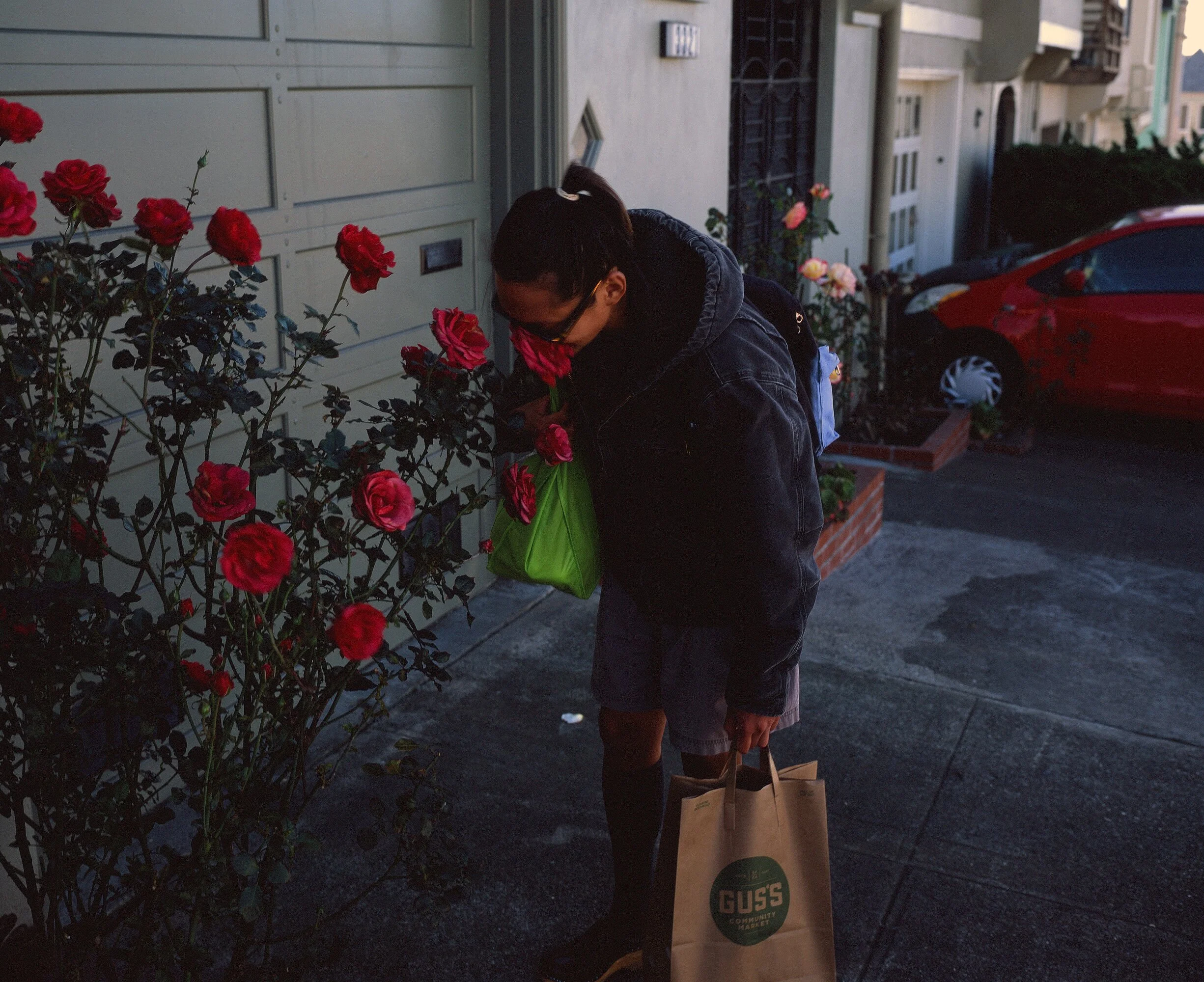
J. B. Hwang received her MFA in Fiction from the University of Florida and her short fiction and translation can be found in The Temz Review, The Denver Quarterly, Oxford Magazine and december magazine. She lived in San Francisco for eight years and worked as a mail carrier during the pandemic. She currently lives in Philadelphia. Her debut novel, Mendell Station can be found wherever books are sold or at your local library. (If not, feel free to request it!)
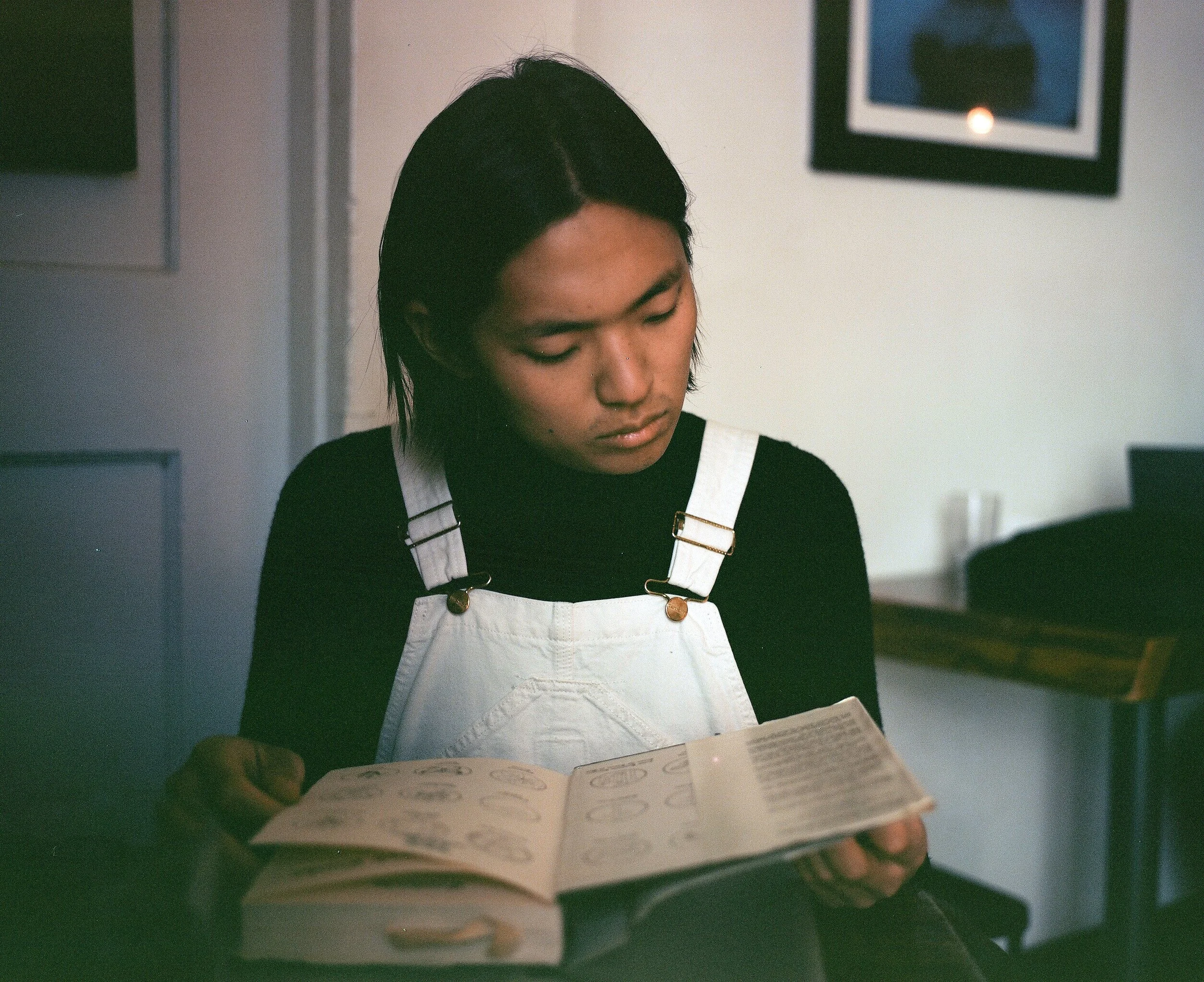
Written by J. B. Hwang in conversation with Chessin Gertler | Photography by Chessin Gertler